CES 2026 Full Report –
Executive Highlights
- The 59th annual Consumer Electronics Show (CES) united over 140,000 attendees in Las Vegas seeking an early look at the latest and greatest in consumer technology. Innovation was featured in sessions and in exhibit halls spread across the Las Vegas Strip and several hotels. The official CES 2026 video gave a glimpse of the crowds, exhibits, and invigorating energy of the world’s largest consumer technology meeting. Next year’s meeting, the 60th, will surely bring even broader insights from healthcare to every side of technology.
- Wearables were a major focus of the conference’s Digital Health track.
- On Tuesday, Abbott’s EVP of Medical Devices, Ms. Lisa Earnhardt, and tennis legend Ms. Serena Williams showcased Abbott’s biowearable ecosystem, including FreeStyle Libre and the over-the-counter Lingo CGM. Ms. Williams described how Lingo has changed how she approaches her health, noting that she wished the technology had been available during her professional career. She described “aha moments” around diet and movement and how the insights have also influenced how she thinks about her children’s nutrition.
- Wednesday brought discussions of the benefits of continuous monitoring technology, moderated by Dr. Ami Bhatt (American College of Cardiology), for behavior change and its potential to shift the US healthcare system from a fee-for-service model to a value-based, continuous one. She was joined by Oura CEO Mr. Tom Hale, Rimidi CEO Dr. Lucienne Ide, and Dexcom CEO Mr. Jake Leach (who just moved, as planned, from interim CEO to CEO earlier this week). Panelists agreed on the potential for devices like CGMs to improve patient agency and discussed ways in which industry can tailor its insights for a healthcare system that does not provide much room for clinicians to manage additional data analysis. They also emphasized the need to reduce the digital divide in health technology, with Mr. Leach touting Dexcom’s efforts to get CGM in the hands of more people.
- Artificial intelligence was the thread connecting each presentation.
- On Wednesday, Ms. Julie Barnes (Maverick Health Policy) led an insightful discussion in front of a packed audience into the near future of healthcare with panelists Ms. Nancy Brown (American Heart Association), Dr. Lucienne Ide, Ms. Caroline Pearson (Peterson Health Technology Institute), and Mr. Glen Tullman (Transcarent). The conversation was wide-ranging, from the key role that the government will play in incentivizing the use of healthcare technology over the next decade to how AI will change healthcare and the issue of affordability.
- A panel discussion also dove into the rapidly accelerating world of drug discovery aided by AI and other computational modeling. Moderator Mr. Eric Weisberg (Havas) sat with panelists Ms. Jen Hoskins (Nvidia), Mr. Gerry Keane (Siemens), and Dr. Laura Matz (Merck KGaA). Mr. Weisberg and Ms. Hoskins both emphasized that recent increases in computing capacity have upended traditional slow, labor-intensive drug discovery processes. They noted that AI factories can accelerate drug discovery at every corner, from continuously designing and manufacturing new molecules to modeling biomolecules’ behavior without laboratory studies. Panelists predicted a future where doctors are assisted by AI at every junction. All three panelists emphasized that new technologies like AI do not replace, but rather assist experts in the field.
- In big picture,
- CES 2026 featured a group of three senators: Sen. Ben Ray Luján (D-NM), Sen. Gary Peters (D-MI), and moderator Sen. Jacky Rosen (D-NV). Together, they discussed how policymakers are working to protect consumer data (including genomic and health data), responsibly advance AI innovation, reduce auto-related mortality, and expand nationwide access to high-speed internet. Sens. Rosen and Luján emphasized ongoing federal efforts through the Universal Service Fund to ensure access to high-speed broadband across the US, with a focus on rural communities. Both senators also acknowledged that comprehensive AI regulation will be challenging.
- Senior leaders shaping the future of the Centers for Medicare & Medicaid Services (CMS) also spoke. Panelists included Dr. Mehmet Oz (Director of CMS), Ms. Amy Gleason (former acting DOGE administrator), and Mr. Chris Klomp (Head of Medicare, CMS). The discussion focused on how technology, data, and payment reform can help address rising healthcare costs while improving outcomes and patient experience. Dr. Oz opened by outlining the administration’s overarching goal: helping Americans feel stronger and healthier, with downstream economic benefits through improved productivity. All three panelists then emphasized data interoperability as a foundational priority.
Table of Contents
-
Top Highlights
- 1. Ms. Lisa Earnhardt and Ms. Serena Williams go toe-to-toe on the health benefits conferred by Abbott’s Lingo
- 2. Making diabetes demand less: The rise of livable health technology with Omnipod 5 and other wellness devices
- 3. The case for wellness investment in the US healthcare system
- 4. Abbott and Insulet spotlight the growing presence of diabetes technology at CES
- 5. From episodic to continuous care: Exploring the present and future of health monitoring technology with Mr. Jake Leach, Mr. Tom Hale, and Dr. Lucienne Ide
- 6. Food as medicine: The opportunity for technology to promote adoption and sustainable behavior change
- 7. Healthcare 2035: A vision for the next decade
- 8. Beyond the pilot: How “big tech” is committing to healthcare
- 9. Agentic AI in healthcare: Beyond the hype
- 10. From brainwaves to blood sugar: How next-generation technology shapes diets
- 11. Wearable technologies and the future of patient-physician collaboration
- 12. From CES to CMS: Dr. Oz speaks on how technology can reshape US healthcare
- 13. Next-generation diagnostics: A new era of early detection
- 14. Drug discovery disrupted: Technology that is changing the game
- 15. The shift from hospital to home: Reimagining healthcare delivery
- 16. Interest in wearables at CES extends beyond cardiometabolic health
- 17. Senators Jacky Rosen, Ben Ray Luján, and Gary Peters share their perspectives on tech policy to promote innovation and broaden access
- Abbott
- Biopop
- Insulet
- Samsung Health
- Tiger AI
- VeeOne Health
- Withings
- Yuwell
Top Highlights
1. Ms. Lisa Earnhardt and Ms. Serena Williams go toe-to-toe on the health benefits conferred by Abbott’s Lingo
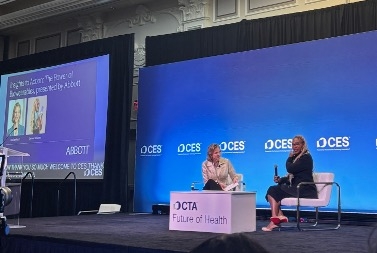
At the Venetian Convention Center, Abbott’s EVP of Medical Devices Ms. Lisa Earnhardt and tennis legend Ms. Serena Williams captivated a large audience by showcasing Abbott’s biowearable ecosystem – including FreeStyle Libre and the over-the-counter Lingo – and Serena’s personal experiences with the device. Ms. Williams has long been a spokeswoman for Lingo. In the digital campaign Spike Sessions released last year, she and her husband (tech entrepreneur Alexis Ohanian) demonstrated how everyday meals and activities affect glucose levels. Using Lingo, they tracked the impact of foods like “Papa Pancakes” and late-night gelato in real-time, reflecting on how understanding glucose insights can promote healthier choices. In a broader sense, the couple reflected on the importance of understanding what they put into their bodies, with Serena joking that her “glucose was high” when she fell in love.
- Opening the session, Ms. Earnhardt emphasized the ongoing “revolution” in healthcare driven by the convergence of health and technology. With cardiovascular disease and/or diabetes touching nearly every person in the room in some way (either directly or indirectly) and 98 million people in the US living with prediabetes — 80% of whom are unaware of their status — she highlighted Lingo’s potential to provide real-time, actionable insights to manage and even reverse the condition. Built on the FreeStyle Libre platform, which has over seven million global users, she explained that Lingo can empower people to track their glucose levels and make informed health decisions. However, both Ms. Earnhardt and Ms. Williams cautioned that glucose tracking is just one piece of the puzzle. Ms. Earnhardt stressed the need for incorporating additional data, such as sleep, steps, and blood pressure, while Ms. Williams drew an analogy to her tennis career: success required not just playing the game, but also attention to exercise and training.
- Ms. Williams shared how Lingo has transformed her approach to health. As an athlete, she was always meticulous about what she put into her body, but now, with Lingo, she can track and optimize her health metrics in real time. She quipped that she wished the technology had been available during her professional career. Beyond her own health, Lingo has also shaped her approach to her children's diet, helping her understand the glycemic effects of foods she gives them, even though their bodies may react slightly differently. She also joked that the advent of Lingo was necessary to effectively alert her husband, Alexis, that her body is “on a different level” than his, with her levels remaining steady while his fluctuated more dramatically. She added that Alexis has since embraced Lingo, using it to optimize his work performance and sleep.
- Ms. Williams also identified several “aha moments” and key takeaways from using Lingo. First, it confirmed her instinctive understanding of sugar’s effects on her body. While she has “never been a sugar fanatic,” Lingo helped her quantify and visualize the sharp spikes and crashes sugar caused, compared to the more stable response from salty snacks. This insight has helped her make strategic changes, like incorporating more movement after meals — “even something small can help.” Additionally, she’s adjusted her food order, eating protein before carbohydrates and prioritizing hydration, prompted by recommendations from the Lingo app.
2. Making diabetes demand less: The rise of livable health technology with Omnipod 5 and other wellness devices
Mr. Manoj Raghunandanan (Insulet) moderated a panel on “livable technology,” joined by Dr. William Polonsky (Behavioral Diabetes Institute), Mr. Chris Mosunic (Calm), Ms. Sherry Frey (NielsenIQ), and Mr. Justin Eastzer (Diabetech). Mr. Raghunandanan opened by introducing a core philosophy that Insulet plans to emphasize throughout the conference: Omnipod as a “livable technology.” We love this idea and wonder if this comes from Insulet’s new CEO Ms. Ashley McEvoy or others at Insulet? We just asked AI when Insulet first used the term, and we discovered it was just today! Slay, as the young people say. Mr. Raghunandanan framed this within two converging trends in healthcare: the growing “self-care healthcare” movement, in which people want even more control over their own health, and the “measure me” movement (we’ll be eager to learn if this is “quantified self” or if if goes beyond!) This movement, evident in a room full of people already wearing some kind of wearable device, must move beyond data collection to address the more meaningful question of how patients can use data to make high-quality health decisions.
- Panelists largely agreed on what defines livable technology. Dr. Polonsky and Mr. Eastzer noted that this concept is increasingly embraced within the diabetes ecosystem. Mr. Eastzer explained that while diabetes technology like CGMs and insulin pumps keeps him alive, livability comes from more than just survival. Critical alerts for high or low glucose levels are essential, but truly livable technology also enables proactive management, such as setting higher glucose targets before exercise or adjusting pre-meal goals to reduce disruptions. Dr. Polonsky added that while adoption remains uneven, particularly among people with T2D, outcomes can be transformative regardless of a patient’s environment. Mr. Mosunic emphasized that livable technology should reduce stress, not add to it, while Ms. Frey agreed, characterizing livable tech as “frictionless” and “nonobtrusive.”
- Focusing on the “human truths” of diabetes management, Dr. Polonsky stressed that no one lacks motivation to live a long, healthy life — a reality that healthcare providers sometimes forget, he asserted. When people struggle with diabetes or weight management, it is often due to obstacles, Dr. Polonsky stressed, not a lack of effort. Technology can help by removing certain barriers, he said. He introduced the concept of “healthy good enough,” noting that “many people with T1D” (with diabetes, we’d say!) chase perfection, pushing A1c and Time in Range (TIR) targets at the expense of mental well-being. Good approaches, he argued, should help patients recognize and celebrate reaching a sustainable “good enough” threshold. Mr. Eastzer reframed this idea as shifting from Time in Range to “Time in Happiness,” or achieving good outcomes while still enjoying life. Wow! What’s your TIH?
- Addressing the downsides of today’s data overload, Mr. Mosunic remarked that “data without context or insight is essentially a screen door on a submarine.” He warned that raw data can overwhelm users and that manufacturers often underestimate how personal health metrics are. Without proper context, users may draw incorrect (or sub-optimal, at least) conclusions — for example, interpreting a poor sleep score as a personal failure. (Isn’t it?! Just kidding!) Dr. Polonsky echoed this concern, particularly for people with chronic illnesses, noting that numbers can easily become proxies for self-worth, leading to anxiety and disengagement. This is obviously a very serious problem. What is missing, Dr. Polonsky said, is guidance that helps people interpret trends over time. Mr. Eastzer shared his own experience with this phenomenon, recalling how an app that scored his diabetes management from 1 to 10 caused stress when he received frequent “6” days, despite his overall glycemic management being good. (We don’t know what that app is but we’re going to ask! It seems fairly similar to getting below a 70% TIR, or TIH, in Justin-speak.) Mr. Eastzer emphasized the importance of diabetes educators as partners in care and urged developers to consider the true emotional reactions data may provoke. May?! It was music to our ears to hear Mr. Raghunandanan say that Insulet is focused on making Omnipod 5 less disruptive while remaining clinically useful (an understatement), ultimately aiming to “make diabetes demand less” …
- Panelists also discussed how to move beyond data overwhelm. From Insulet’s perspective, Mr. Raghunandanan emphasized the company’s approach of designing for the human experience, noting that the most powerful brands understand individual needs. Ms. Frey cited research showing that wearables can drive meaningful changes in diet and nutrition. Notably, despite 45% of Americans struggling to afford healthcare (see, for example, “The Hill” on this from 2024), one of the fastest-growing segments of wearable users include low-income individuals and SNAP recipients, reinforcing both demand and opportunity. Meanwhile, Calm’s Mr. Mosunic offered advice at the manufacturer level, cautioning that while AI excels at logic, it lacks emotional intelligence. We appreciated this understatement. He advocated for involving clinical psychologists in product development (call Adam Brown, for example, as well as Dr. Polonsky, of course!) and avoiding generic mental health approaches, acknowledging that partnerships are often necessary to scale this effectively.
- Looking ahead, panelists shared their visions for the future of “livable technology”.
- Ms. Frey noted that better data connectivity can help sustain behavioral change, as research shows that many consumers revert to old habits after about nine months.
- Mr. Eastzer envisioned a future where people rarely need to think about diabetes, with continued progression from hybrid closed-loop to fully closed-loop systems (FCL).
- Mr. Raghunandanan acknowledged this as a fair expectation, noting Insulet’s commitment and reiterating that its FCL algorithm for people with T2D is expected in 2028.
- Mr. Mosunic emphasized continued innovation in mental health support, with AI playing a role once its “human component” is better integrated.
Dr. Polonsky closed by advocating for “forgivable technology,” which he defined as tools that are intuitive, tolerant of mistakes, and support periodic, holistic reflection rather than constant short-term optimization.
3. The case for wellness investment in the US healthcare system
Mr. Neal Batra (Deloitte) moderated a panel session featuring Mr. Pankaj Gupta (Lilly), Dr. Nichole Young-Lin (Google), and Mr. Andrew Davis (Deloitte) on the future of wellness investment in the US. Mr. Batra began by presenting Deloitte’s research on the ROI of wellness investment. Analyzing over 60 million lives over five years using public health data, the study sought to determine if and when wellness investments pay off. The conclusion was clear: wellness does deliver ROI, but finding the optimal balance between investment and return remains a work in progress.
- Mr. Batra explained that treating illness dominates current healthcare spending. Specifically, 22% of healthcare spending ($1.1 trillion) is directed toward wellness and prevention, while approximately 50% ($2.4 trillion) goes toward treating sickness. With targeted investment, he suggested, more resources could shift toward prevention and recovery. By 2040, wellness spending is projected to grow more than fourfold, reaching $5.2 trillion, while the reactive sick care market is expected to grow ~20% to $2.9 trillion. Restorative health spending is also expected to increase significantly, from $600 billion to $1.5 trillion (see Figure 1). This shift could result in up to $2.2 trillion in annual healthcare savings. As the wellness market grows, consumers are expected to become the dominant force, increasing their share from one-third today to more than half by 2040 (see Figure 2). Interestingly, Mr. Batra noted that pharmaceutical spending is also expected to rise across all segments as medical costs decrease in some areas due to a focus on anticipatory medicine.
Figure 1: Expected healthcare spending shift from 2023-2040
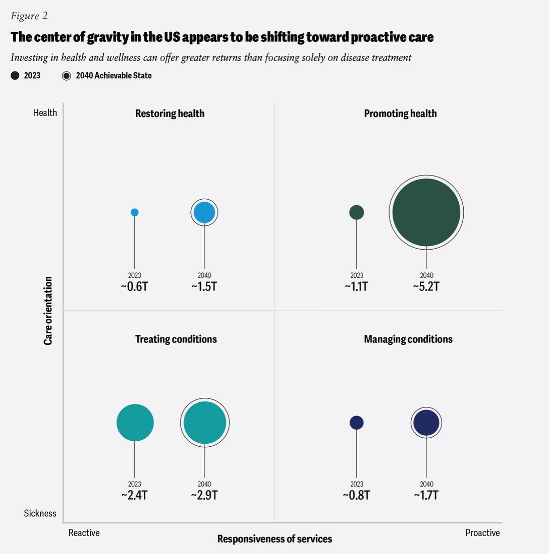
Figure 2: Expected shift in source of healthcare spending 2023-2040
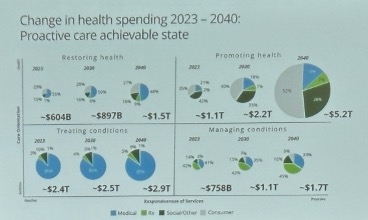
Source: Deloitte, “Safeguarding Medicare: Proactive care could unlock $500B in annual program savings”
- The panelists discussed why the current “moment” is particularly promising for wellness investment. Mr. Gupta highlighted that consumers are more informed and engaged than ever, raising expectations and demanding a larger role in managing their health. Dr. Young-Lin added that AI is also now accessible, allowing for the greater contextualization of health data to keep people motivated in the long term. Mr. Davis, meanwhile, pointed out growing concerns around healthcare affordability that have led many employers to focus more on long-term prevention rather than short-term care and managing chronic conditions. This shift in focus is further supported by a stronger economic case for wellness. Mr. Davis cited research that is beginning to quantify the role lifestyle factors play in the development of certain diseases – comprising ~65% of cancer risk, ~80% of diabetes risk, and ~35% of Alzheimer’s risk – to argue that targeted wellness investment could reduce rates of such diseases. Mr. Batra noted that while end-of-life care remains costly, healthier aging reduces the burden of chronic conditions in later years, ultimately lowering overall healthcare costs. To maximize these benefits, Mr. Gupta emphasized the potential of predictive analytics, while Dr. Young-Lin stressed the importance of partnerships among payers, regulators, and researchers harnessing these data. She also argued that to truly help patients, health data must be contextualized and translated into actionable insights, which providers and payers can act on. Thanks to advances in data and computing power, precision medicine — once considered the “holy grail” — is now becoming a reality.
- Despite the increasing adoption of wearables, the panelists agreed that work is still required to better translate data into actionability. Mr. Gupta cited the Apple Watch as an example, saying that it provides ample data but is limited in its ability to translate its insights into concrete next steps. Dr. Young-Lin added that while sensor technology is fueling widespread data collection, especially in women’s health, the full potential of the data itself has yet to be realized. Mr. Davis shared a personal experience using an over-the-counter CGM: through his own analysis and a review of medical literature, he learned that it took about 20 minutes of aerobic exercise to reach his desired impact on his glucose levels — an insight that he uncovered himself rather than being identified by the device.
- Dr. Young-Lin also addressed the human element of healthcare, emphasizing that clinicians still play an important role in translating wearable data into behavior change. In order to do so, clinicians must continue to lean on empathy and human connection. She shared an example from her work in a federally qualified health center, where a patient had been ignoring her CGM data despite persistent and severe hyperglycemia. Progress was only made after engaging the patient in a conversation about their motivations and the health consequences for herself and her baby, which Dr. Young-Lin highlighted as evidence that data alone is insufficient without tying in trust and care.
4. Abbott and Insulet spotlight the growing presence of diabetes technology at CES
Beyond the sponsored sessions, diabetes technology occupied a larger footprint in the Exhibit Hall this year than in the past. Across hundreds – if not thousands – of exhibits from the Las Vegas Convention Center to the Venetian Convention Center, two major diabetes companies stood out on the first day: Abbott and Insulet.
- Abbott’s blue booth anchored its familiar corner of the Las Vegas Convention Center Exhibit Hall, showcasing the breadth of its medical device ecosystem, including traumatic brain injury, musculoskeletal solutions, diagnostics, Pedialyte, and its continuous glucose monitoring portfolio (FreeStyle Libre and Lingo). The FreeStyle Libre corner prominently featured Libre Assist, a recently-launched tool designed to help users understand the glycemic impact of meals. Using demo phones, representatives showed how meal photos are analyzed and categorized by predicted glucose impact – green for low, yellow for moderate, and red for high. In one example, a spaghetti-and-meatballs dinner generated recommendations to eat protein before pasta, add fiber-rich foods to slow digestion, or choose a lower-carbohydrate pasta alternative. For users wearing a sensor, Libre Assist replaces predicted impact with actual glucose responses. While adoption is still in the early stages, representatives noted that broader promotion is just beginning. Nearby, the Lingo display featured a column spotlighting patient testimonials from users without diabetes. Between the two, a “glucose information area” invited attendees to learn the basics of glucose and test their knowledge through true-or-false questions about environmental factors that affect glucose levels.

- CES 2026 also marked Insulet’s first-ever appearance in the Exhibit Hall. Its signature mango-colored booth stood out in the Venetian Exhibit Hall, anchored by a large inflatable Omnipod 5 dangling from the ceiling that drew interest from attendees with varying levels of familiarity with diabetes technology, and even from those with none at all. Representatives explained that the booth reflected Insulet’s broader efforts to raise international awareness of insulin pump technology and AID systems, often opening conversations by asking visitors whether they were familiar with continuous glucose monitoring. In addition to staff circulating to explain the current diabetes technology landscape and the benefits of Omnipod 5, a two-minute educational video played on a central screen, introducing the company and its patch pump. The booth also featured hands-on Omnipod 5 demos and more copies of Dyasonic, Insulet’s comic book collaboration with Marvel featuring the super-heroine herself.

5. From episodic to continuous care: Exploring the present and future of health monitoring technology with Mr. Jake Leach, Mr. Tom Hale, and Dr. Lucienne Ide
Dr. Ami Bhatt (American College of Cardiology) moderated a panel discussing the benefits of continuous monitoring technology for behavior change and its potential to shift the US healthcare system from a fee-for-service model to a value-based, continuous one. She was joined by Oura CEO Mr. Tom Hale, Rimidi CEO Dr. Lucienne Ide, and Dexcom CEO Mr. Jake Leach (who transitioned from interim CEO to CEO in the last week). The panel covered topics such as Oura Ring’s biomarker tracking and baseline deviation alerts driving proactive care, the importance of continuous data for triaging and stratifying patients by disease state, and Dexcom’s expansion from diabetes care to broader cardiometabolic health.
- CMS is pushing to transition US healthcare from a fee-for-service model to one based on value and outcomes. Dr. Ide highlighted that the return on investment in health technology depends on clearly defining the desired outcomes across specific timeframes. For healthy patients using wearables to track their health, this will look different than for someone recently discharged from the hospital, where these definitions might determine the optimal scope of intervention. Dr. Bhatt framed this as a “movement from episodic to continuous care,” focusing on long-term outcomes. She emphasized CMS’s ACCESS Model (Advancing Chronic Care with Effective, Scalable Solutions) call for companies to help institutions monitor cardiometabolic health at home. “We can't rely on the one patient, one clinician model anymore,” she said. “We need a one company, one population model.”
- Dr. Bhatt posited that this shift should be driven less by consumerism and more by patient agency. Mr. Leach agreed, emphasizing the importance of education for both patients and clinicians. Dexcom’s CGMs, for example, have proven to be valuable tools for real-time education, and the company has realized that these data are more actionable when easier accessed by the clinician. Consequently, Dexcom has long worked on EHR integration for its CGM data and now has over 160 clinics now integrating CGM data with electronic health records.
- However, the panelists acknowledged that the current healthcare system doesn’t provide much room for clinicians to manage additional data analysis. Mr. Hale shared that some doctors can initially find Oura Ring data overwhelming, with some instead asking for it to be presented “like a consult from another doctor.” Industry, he said, must ensure it doesn’t waste clinicians' time. Part of the solution lies in patient education, equipping patients with the tools to understand their data. For instance, Mr. Leach said that Dexcom RCT data has showed that unblinded CGM data can drive meaningful behavioral changes. Mr. Hale also noted that connecting datasets across platforms, like Dexcom and Oura, allows for a more comprehensive view of health. Ultimately, clinicians should focus on “asking the right questions” about the data to identify appropriate interventions.
- The panelists emphasized the need to reduce the digital divide in health technology.
- Mr. Leach reiterated Dexcom’s commitment to getting CGM in the hands of more people. While CGM started as a tool for those with T1D, it has since expanded to a much broader population, with many trying Dexcom’s over-the-counter CGM Stelo to help manage their health or even reverse prediabetes through nutrition and physical activity (over 500,000 in the first 12 months of its launch in August 2024). Dexcom is now focused on user experience to a greater degree, in part by promoting a more engaging user experience. For example, the company will soon launch a “completely revamped” Stelo app based on extensive user feedback. Dexcom also continues to invest in large RCTs to demonstrate the benefits of CGM in underserved populations. In one ongoing trial, the company is studying CGM use in non-insulin-using T2D patients to show that CGMs are both easy to use and cost-effective.
- Dr. Ide highlighted how Rimidi’s connected health solutions have bridged the digital divide, in one case showing that no ethnic or language-based differences in patient engagement with connected devices during high-risk pregnancies. She cited the WEAR IT Act introduced to the House of Representatives last summer as a positive step toward improving affordability by allowing HSA/FSA funds to be used for multi-functional wearables.
- Meanwhile, Mr. Hale highlighted Oura’s commitment to providing an actionable feedback loop for disease prevention. He also explained how Oura is working with Medicare Advantage Programs to promote value-based care. Medicare Advantage made Oura Ring a benefit of its Essence Healthcare plan in late 2024, and while internal data is preliminary and qualitative, it has shown that older adults are moving more, sleeping better, eating better with Oura Ring.
- Dr. Bhatt noted that employers and nonprofits also have a role in reducing the digital divide, with nonprofits helping to create educational guidelines for both clinicians and patients. For example, after Apple Watch's atrial fibrillation reports launched, the ACC developed a guide for cardiologists and patients on how to interpret the data
- The panelists offered a nuanced view of the role of AI governance and some of its potential clinical applications. Mr. Hale suggested that a combination of top-down and local governance would benefit companies like Oura in order to keep up with the pace of innovation, constrained by some national guidelines to ensure public safety standards. Dr. Bhatt and Mr. Leach, meanwhile, highlighted the benefits conferred by AI when used appropriately with other partners and collaborators. The American College of Cardiology, for example, has partnered with Open Evidence to understand what cardiologists are asking and what they need to know more about. Mr. Leach also highlighted the potential for AI alongside CGM data to drive therapy optimization and medication management, with particular benefits for therapy de-intensification.
- Looking ahead, the panelists identified several underexplored continuous monitoring opportunities. Mr. Leach and Mr. Hale both agreed that continuous blood pressure monitoring could be valuable, and Dr. Ide highlighted the need for scalable devices that can monitor risk factors for chronic kidney disease. Mr. Hale also suggested that hormone (e.g., cortisol) trackers could provide significant health insights, while Dr. Bhatt advocated for continuous potassium monitoring to improve acute care interventions.
6. Food as medicine: The opportunity for technology to promote adoption and sustainable behavior change
Mr. Sean Glass (Evidenced) moderated a panel featuring Ms. Emily Brown (Attane Health), Mr. Naveen Jain (Viome), Ms. Kara Collier (Nutrisense), and Ms. Jasmine El Nabli (Culina Health) focused on shifting nutrition care from symptom management to root-cause resolution. While the industry increasingly aspires to offer value-based care, misaligned incentives persist, particularly in commercial insurance where members often change plans every 12-18 months. Even further, individual consumers often have little control over their insurance plan, as the majority of Americans access health insurance through their employer rather in an independent market. As a result, there is little market pressure to invest in long-term health outcomes, as often the benefit of long-term investment is seen by a person’s future health insurer.
- The panel emphasized that digital health tools and hardware can significantly enhance the work of registered dietitians. Mr. Jain argued that traditional nutrition advice has long been based on the “average person,” who does not exist. While universally unhealthy outcomes may exist, universally healthy foods do not. For example, Viome’s research suggests that nearly half of people may respond negatively to foods widely considered “healthy” – such as spinach or avocado – due to differences in gut microbiomes. Ms. Collier agreed, noting that while patients often ask dieticians for strict meal plans, these approaches are rarely sustainable. Instead, dietitians should serve as “nutrition therapists,” supported by technology that helps patients make informed choices between appointments and build lasting habits.
- Expanding on technology’s capacity to tackle the issue of sustainable behavior change, Ms. Collier highlighted the power of continuous data streams, such as CGMs, to make the impact of dietary and lifestyle choices immediately visible. This immediacy aligns with how the brain is wired, enabling faster behavior change compared to waiting months for lab results that feel disconnected from daily decisions. Ms. El Nabli stressed, however, that data alone is not always sufficient. Human guidance is often still essential to translate insights into healthier behavior. For example, rather than eliminating a healthy food that causes a glucose spike, patients need education on how to pair it appropriately with other foods to mitigate the response. Mr. Jain added that personal health agents – human or AI – can synthesize multiple signals such as sleep, nutrition, and glucose to provide context and explain why changes are occurring, not just that they are. Ms. Brown noted that time remains a key constraint for many people, even with advanced technology, and the field must continue to focus on making healthier choices easier.
- The panel also addressed structural challenges within the food system, particularly the prevalence of ultra-processed foods and limited access to nutritious options. Ms. Brown described Attane Health’s mission to improve access to healthy food, particularly for the millions of Americans living in food deserts. She emphasized the importance of networks that ensure food prescriptions can be fulfilled. Mr. Jain argued that healthy food should not be expensive and that whole foods should be the most affordable option. Ms. Brown contextualized this, pointing to agricultural subsidies that make it cheaper to produce corn or wheat than many vegetables, embedding higher costs into fresh food. Ms. Collier added that AI-powered tools can help families maximize limited budgets by planning nutritious meals and finding creative, cost-effective solutions.
- Finally, the panel highlighted how policy can move the needle for improving nutrition access and outcomes. Ms. Brown noted that while coverage for nutrition care has improved, access to nutritious food itself still lags. Policy reforms could accelerate adoption of nutrition care plans tied to outcomes. Mr. Jain pointed to recent FDA dietary guideline updates as a meaningful step forward, quipping that the FDA is finally putting the “Food” back in its name. Ms. El Nabli emphasized that recent Medicare changes underscore both the difficulty and importance of transitioning to value-based care, including coverage for technologies that track patient engagement and outcomes. Ms. Collier added that policies that both cover and require certain technologies, such as wearables or lab testing over defined timelines, could meaningfully advance preventive care.
7. Healthcare 2035: A vision for the next decade
Speaking to a packed room with attendees clustered against the wall, Ms. Julie Barnes (Maverick Health Policy) moderated an insightful discussion into the near future of healthcare with panelists Ms. Nancy Brown (American Heart Association), Dr. Lucienne Ide (Rimidi), Ms. Caroline Pearson (Peterson Health Technology Institute), and Mr. Glen Tullman (Transcarent).
- Panelists discussed the key role that the government will play in incentivizing the use of healthcare technology over the next decade. Ms. Brown began by saying that the Centers for Medicare & Medicaid Services (CMS) is currently exploring unique ways to enhance the use of technology for Medicare’s operations. This provides key opportunities to have technology help manage chronic diseases and support longevity. She said that “technology is healthcare,” an essential tool for healthcare delivery. In December 2025, CMS announced $50 billion in awards to strengthen rural health in all 50 states, with a pillar of the program being the modernization of rural health technology. Ms. Brown believes that CMS’s current approach will establish a foundation for technology as healthcare in the future.
- Mr. Tullman offered a rebuttal, discussing the implications of looming healthcare coverage loss for millions of Americans. According to analysis by the nonpartisan, independent Congressional Budget Office (CBO), the recent budget reconciliation bill reduces funding for Medicaid and the Affordable Care Act (ACA) by over $1 trillion dollars. This is expected to leave 12-15 million Americans without healthcare coverage by 2034, with a ripple effect on the healthcare system as a whole. While he applauds the promotion of healthcare technology in the current administration, he believes that this must be weighed against such loss of coverage. He believes that the next three to four years will unfortunately be detrimental to population health. In light of the government’s approach, he called for private employers to step up and bolster health plans for their employees.
- Turning to a topic on everyone’s minds, panelists explored how AI will change healthcare. Ms. Barnes quoted Mark Cuban, who said, “there's going to be two types of companies in this world: those who are great at AI, and everybody else that they put out of business.” All the panelists agreed with this statement and said that healthcare must keep pace with AI’s integration into our society. Providing the AHA’s perspective, Ms. Brown said that the average adoption time is about 10 years for new cardiac guidelines around blood pressure, cholesterol, and other important metrics to become the standard of care. This delay in the adoption of innovation has devastating consequences for long-term health. She believes that AI can help push new guidelines into clinical practice much faster. As an example, she cited OpenEvidence, an AI-based medical information platform that helps clinicians stay up to date with recommendations. AI may also help doctors draw clinical conclusions explaining a range of unusual symptoms and can help identify drug interactions with life-saving benefits.
- The panelists then turned to the issue of affordability, with Ms. Pearson saying candidly that AI will replace certain labor and reduce healthcare costs. While many may hesitate at the notion of autonomous AI use, instead preferring to augment existing healthcare providers, she believes that our current system does not have the workforce for such an approach. She emphasized opportunities for AI to improve clinician workflow by assisting with tasks such as filling out paperwork for prescriptions and locating pharmacies, as well as screening for high blood pressure and mental health concerns to direct clinicians’ assessments. In closing, Dr. Ide said that the biggest healthcare cost is human capital. She wants clinicians to operate at the top-of-license to maximize system-wide benefit. With the use of AI, the ecosystem can move much closer to this by 2035.
8. Beyond the pilot: How “big tech” is committing to healthcare
Mr. Drew Schiller (Validic) moderated a panel featuring leaders from three major technology companies increasingly shaping the healthcare ecosystem: Dr. Hon Pak (Samsung Electronics), Dr. Nichole Young-Lin (Google), and Ms. Cory Warner (Uber Health). The discussion focused on: (i) what differentiates meaningful healthcare engagement from superficial experimentation; (ii) how AI is reshaping (but not replacing) clinical care; (iii) and how large technology platforms can responsibly scale solutions that improve access, efficiency, and outcomes across the healthcare system.
- Panelists agreed that sustained commitment rather than short-term pilots is the clearest indicator that a company is serious about healthcare. Dr. Pak described Samsung’s approach as a consistent investment in research, partnerships, and acquisitions. Historically lacking a strong foothold in the US healthcare system, Samsung has pursued a three-pronged strategy that connects users, health systems, and ecosystem partners. Recent efforts include work in sleep apnea screening and arrhythmia detection, as well as a targeted acquisition of Xealth, a digital healthcare integration platform, in 2025 to accelerate its US market entry.
- Dr. Young-Lin acknowledged the prevalence of “pilot-itis” in tech-driven healthcare (projects that never scale) but emphasized that health is a core part of Google’s business. For example, the company fields hundreds of millions of health-related search queries, and in 2025 alone, health content on YouTube generated more than 35 billion views. Beyond enabling consumer education, Google is embedding itself within healthcare operations, such as its partnership with HCA Healthcare to develop AI-powered nurse handoff tools that reduce administrative burden by training models on medical speech.
- Ms. Warner traced Uber Health’s origins to highlight its commitment, explaining that transportation has been a major contributor to missed medical appointments. She noted that approximately two-thirds of missed appointments are due to lack of transportation, costing the US healthcare system billions annually. Moreover, the company had observed clinicians and nurses using their personal Uber accounts and credit cards to arrange patient transportation, often without appropriate reporting or reimbursement mechanisms. This issue disproportionately affected Medicaid and Medicare Advantage populations, despite transportation being a covered benefit. Uber Health was thereby created to address this gap, now with nearly a decade of commitment to building infrastructure tailored to healthcare requirements rather than retrofitting a consumer product. Their partnership with the Veterans Health Administration (VHA) provides a stark example: the VHA identified more than two million missed appointments annually due to transportation barriers, resulting in an estimated $4.4 billion in costs. Uber Health’s partnership with the VHA to integrate on-demand rides into existing booking systems has since provided transportation for more than 40,000 veterans, with improved access to preventive care as a result.
- As AI becomes more prevalent in healthcare, panelists emphasized that it is best understood as an optimizer of clinical care rather than a replacement for providers. Dr. Young-Lin noted that the patient-provider relationship is irreplaceable, but access and education remain major barriers. Tools like Google Search and Gemini can help patients arrive at appointments better informed, allowing clinicians and patients to make more productive use of limited visit time. AI has also been more popular in a faster timeline than many thought – she cited a recent AMA study showing that nearly two-thirds of physicians were using AI in practice by early 2025, up sharply from approximately one-third in 2023. Dr. Pak echoed this view, describing AI’s role in synthesizing information that once required patients to bring stacks of paper records to visits and allowing clinicians to spend more of the visit focused on emotional connection and shared decision-making rather than information gathering.
- Finally, panelists addressed how large technology companies balance their global scale with the traditionally slower pace of healthcare. Dr. Pak emphasized that innovation speed must be secondary to solving the right problem for the right population. Big tech, he argued, can help by bringing data from the home into clinical visits and acting as a coach to support behavior change between visits. However, healthcare systems vary significantly across countries, shaped by culture and societal values, and adoption will necessarily move at different speeds. He noted that recent policy changes, including CMS’s ACCESS initiative, are beginning to reduce friction and allow health systems to adopt innovation more quickly.
- Dr. Young-Lin challenged the idea that healthcare is universally slow to adopt technology, pointing to early deployments of generative AI tools in platforms like Epic at institutions such as Stanford. However, she stressed the importance of restraint, drawing parallels to Waymo’s methodical approach to building trust through safety, compared with competitors that attempted to grow too quickly and faced setbacks.
9. Agentic AI in healthcare: Beyond the hype
This panel discussion detailed the future of agentic AI, a form of autonomous AI, in healthcare. Agentic AI can set goals, reason, and act independently with minimal human intervention, building multiple steps and actions into its process. Moderator Dr. Brian Miller (American Enterprise Institute) was joined by panelists Dr. Ami Bhatt, Ms. Noosheen Hashemi, Mr. Dominic King (Microsoft AI), and Dr. John Whyte (American Medical Association). Dr. Bhatt began by reminding the audience that the duty of healthcare providers is to provide care above all, and that it is unethical to not provide care to the best of one’s ability. She believes that AI plays a role in this ethos as it becomes more integrated into our society: the potential benefits that AI offers to provider workflows, screening, and even diagnosis may not responsibly be ignored. As long as AI can be demonstrated to be safe for specific uses, panelists agreed that the use of AI should be encouraged, even if it does not provide “perfect” care. Dr. Miller encouraged the audience to consider human-AI interactions as well to augment human decisions, making them “smarter” in some cases.
- AI presents particular promise for triaging and for detecting certain conditions before they are symptomatic. Dr. Bhatt said that AI can review data such as CT scan results faster than any human provider could and provide rapid decisions directing the provider to the most emergent scan, gaining precious, lifesaving minutes. Dr. Whyte has also seen the power of AI to detect gastrointestinal conditions such as diverticulitis days before patients present with abdominal pain, simply based on prior health trends. Panelists agreed that “medicine will always be a team sport,” and that the language of our society is changing to include AI. Speaking the language of agentic AI will be essential to winning the healthcare outcomes game.
10. From brainwaves to blood sugar: How next-generation technology shapes diets
Closing out Day #2 of CES on the Digital Health Track, Mr. Michael Wolf (The Spoon) led a passionate panel discussion with Mr. Peter Bodenheimer (PeakBridge VC), Ms. Sherry Frey (NielsenIQ), Ms. Noosheen Hashemi (January AI), and Dr. Howard Zisser (Schwa), who drew upon their professional and personal experiences to discuss the role of wearables in healthcare. Their conversation began with how OTC CGM such as Abbott’s Lingo and Dexcom’s Stelo have already transformed the concept of being a patient.
- Panelists agreed that actionable insights provided by technology are key to truly shaping one’s diet. Ms. Frey has studied consumer trends in the use of CGM and noted that OTC CGM is growing rapidly in certain populations, such as those with a high interest in lifestyle and, interestingly, among lower income individuals seeking long-term health advice. She noted an interesting trend which shows that long-term change with CGM use is achievable for about nine months, after which some behaviors begin to revert. On a user level, Mr. Wolf described his experience using CGM as the first time he had access to live, 24/7 health data. By monitoring his glycemic trends in response to meals, he naturally learned how to adjust his behavior and described feeling empowered to do so.
- Expanding on this, Dr. Zisser said that wide-scale use of CGM can help users establish long-term dietary habits. He imagines a world where, as part of growing up, adolescents and young adults can use CGM to learn how their body responds to different foods and modify their behavior for the better. In his own experience, CGM has helped him improve the intentionality of his diet, where each choice feels right to him and feels evidence-based. Using an analogy, he said, one would not drive a car without a speedometer, so why would one eat without monitoring dietary impact on the body?
- Consumers are becoming more reactive to policy and popular movements than ever before, influencing dietary choices. For example, Mr. Bodenheimer described recent changes to potato chip packaging: a popular brand is now labeled, “made in the USA, seed oil free, and with no artificial flavorings.” This change in branding appears to have occurred in response to the Make America Healthy Again (MAHA) movement, which has claimed that specific ingredients like seed oils are particularly harmful, even when its claims are not directly relevant to certain products. Ms. Frey noted that consumer preferences to avoid previously unknown additives such as seed oils signal a society much more involved in lifestyle health decisions than ever before. Similarly, Ms. Hashemi said that the Oura Ring has had a notable impact in reducing alcohol consumption as users become concerned by elevated heart rates hours after drinking. Ms. Fry said that the current consumer market is particularly interested in lifestyle health, which offers great opportunity to affect long-lasting change.
- Panelists see multi-analyte sensing and implantable devices as the future of healthcare technology. For the near future, panelists agreed that continuous ketone monitors will provide benefit to millions of patients, particularly those with diabetes, and that lactate sensing will provide powerful, actionable information for an even broader population. Ms. Hashemi also identified continuous insulin monitoring as a metric of interest, but in practice this has proven very challenging due to the body’s physiology. Future devices may also include sensors measuring up to 20 analytes that are implantable for up to 900 days, or even Neuralink, which would further reduce the mental burden of health monitoring compared to CGM.
11. Wearable technologies and the future of patient-physician collaboration
Mr. Ross Friedberg (Goldsand Friedberg) moderated a panel featuring Dr. Marc Taub (Abbott), Ms. Dorothy Kilroy (ŌURA ), Mr. Scott Burgett (Garmin), and Dr. Ricky Choi (Samsung) on how wearable technologies are reshaping both consumer health and medical care.
- Panelists agreed that wearables have the potential to transform the patient-physician relationship by reducing what Mr. Friedberg called the traditional “asymmetry of knowledge.” Dr. Taub explained that Abbott’s FreeStyle Libre portfolio empowers people with diabetes by providing actionable insights into how food, exercise, and sleep affect glucose levels and, for insulin users, by informing dosing decisions. He added that similar insights (available through FreeStyle Libre or Abbott’s over-the-counter sensor, Lingo) can benefit individuals with a history of diabetes by encouraging behavioral changes that support prevention and overall health. While wearables will not replace primary care providers, Dr. Taub said that they can support daily decision-making and clinical conversations.
- Ms. Kilroy echoed this perspective, describing wearables as an “accountant” for personal health that reduces the cognitive burden of determining which lifestyle changes matter most. In clinical settings, wearable data can serve as a “check engine light,” shifting care from reactive to preventative when trends deviate from normal. She also highlighted Oura’s partnerships with healthcare organizations such as Quest to integrate lab work, as well as integrations with Dexcom CGMs to bring in even more data streams. This breadth of data has helped many Oura M embers better understand and change their relationship with behaviors like alcohol consumption. Women users, she added, particularly value Oura’s cycle-tracking features, which help contextualize biometric changes across the menstrual cycle.
- Dr. Choi emphasized the need for primary care to be “continuous, coordinated, and disciplined,” with wearable data supporting a more collaborative alliance between patients and providers. Mr. Burgett illustrated this with Garmin’s atrial fibrillation screening tool. This can prompt users to record an ECG and share it with their physician, who may then identify irregularities and enable earlier intervention. Dr. Choi also highlighted the role of wearables in augmenting the impact of the pharmaceutical industry, citing Samsung’s partnership with Bayer on a newly launched non-hormonal menopause treatment. The collaboration generated large-scale, real-world data on sleep disruption during perimenopause, contributing to the partnership a study of nearly 200,000 women across multiple countries – far exceeding the scale of traditional pharmaceutical trials.
- The panel also stressed the importance of effective data management to avoid overwhelming users. Ms. Kilroy explained how ŌURA distills more than 50 biometrics into three daily scores, reducing cognitive load. She pushed back against the notion that wearables are only for the “worried well,” noting that over 25% of ŌURA users manage chronic conditions and that adoption surged after the device became FSA (Flexible Spending Account)/has (Health Savings Account) eligible. Dr. Taub reinforced the need to demonstrate measurable health outcomes, highlighting Abbott’s clinically rigorous CGMs. He also highlighted Abbott’s efforts to further contextualize glycemic and health information for users through features like Libre Assist, which predicts glucose responses to meals and offers recommendations to reduce adverse impacts, along with Lingo’s digital coaching. Dr. Choi called for improving public health literacy and shifting wearables “from alerts to actions,” such as translating poor sleep scores into personalized recommendations around bedtime, room temperature, or lighting. He also cautioned that increased health awareness can sometimes drive unnecessary clinical visits if individual metrics are viewed without broader context.
- Panelists further discussed the risk of overburdening clinicians with excessive data. Dr. Choi referenced Samsung’s acquisition of Xealth, aimed at integrating digital health tools more seamlessly into clinical workflows and ensuring physicians help determine which data is most relevant. Ms. Kilroy noted that Oura allows users to share data with clinicians, with deviations from baseline trends – such as overnight SpO₂ – being particularly useful. Dr. Taub summarized that effective use of wearable data requires reducing friction by highlighting only the most important signals. For Abbott, this includes integrating user data from the LibreView Cloud into electronic health record systems such as Epic.
- Finally, the panel addressed the FDA’s newly announced distinction between consumer health wearables and medical wearables. Mr. Friedberg explained that the clarification allows devices to fall under consumer health so long as they avoid disease claims, clinical accuracy assertions, and inconsistent labeling. Panelists expressed enthusiasm about the impact this change could have on innovation. Ms. Kilroy said she was “thrilled,” noting that it aligns with recent commentary from Oura’s CEO and could accelerate the launch of several unreleased features while maintaining accuracy standards. Dr. Choi agreed, stating that regulatory barriers affecting parts of Samsung’s roadmap have been lifted and that the move signals broader governmental support for digital health. Dr. Taub added that the clarification opens new opportunities for Abbott to iterate more quickly and bring additional digital health features to market.
12. From CES to CMS: Dr. Oz speaks on how technology can reshape US healthcare
CES closed out its 2026 Digital Health track with a panel featuring senior leaders shaping the future of the Centers for Medicare & Medicaid Services (CMS), an apt setting given the agency’s growing reliance on health technology and public-private partnerships. Panelists included Dr. Mehmet Oz (Director of CMS), Ms. Amy Gleason (former acting DOGE administrator), and Mr. Chris Klomp (Head of Medicare, CMS). The discussion focused on how technology, data, and payment reform can help address rising healthcare costs while improving outcomes and patient experience.
- Dr. Oz opened by outlining the administration’s overarching goal: helping Americans feel stronger and healthier, with downstream economic benefits through improved productivity. He noted that US healthcare expenses are growing at roughly 8% annually – far outpacing overall economic growth – and argued that the current system fails to empower its most important stakeholder, the patient. Instead, patients are treated as “widgets” in a fragmented system characterized by non-interoperable electronic medical records, opaque pricing, and outdated infrastructure.
- All three panelists emphasized data interoperability as a foundational priority. Dr. Oz called for rebuilding CMS’s technology infrastructure and bringing more technologists into government, while leaning on industry partners for areas in which speed and agility matter most. Ms. Gleason reinforced the urgency of interoperability with a personal example from her time as an ER nurse, explaining how unrealistic it is to obtain accurate patient histories when patients are at their sickest, and how current systems often make it impossible to retrieve data quickly, even when patient identity is known.
- Ms. Gleason also spoke to the need to modernize patient-facing CMS infrastructure. She described the Medicare claims system as “not built for the pace of change today” and announced that CMS has launched a request for information (RFI) to explore significantly revamping Medicare’s claims processing system. The goal is to identify best practices that reduce provider burden and system costs. More broadly, she pointed to confusion around Medicare plan selection and suggested that AI-driven tools could help personalize education on the options and guide beneficiaries toward better choices. She also highlighted the need for a common national provider directory, noting that there are an estimated 5,000 separate directories today, leaving patients without a single source for where to access care. She described this as another opportunity for a public-private partnership, combined with modern digital identity and integration into Medicare.gov.
- Mr. Klomp emphasized that while technology adoption has increased, it has not yet delivered meaningful reductions in cost or improvements in outcomes. He also pointed to persistent friction in care transitions and access to records, arguing that technology must tangibly improve user experience and lower costs. CMS, he said, is focused on three goals: (i) improving data exchangeability by stopping data blocking and enforcing standardized records; (ii) deregulating to allow better and safer solutions to replace incumbent interventions or technologies; and (iii) moving from a fee-for-service model to a outcomes-based one. He noted that only 8-14% of payments today are value-based, with the vast majority still tied to fee-for-service and time-based reimbursement. CMS has pushed recently to move toward outcomes-based models, including new initiatives such as the ACCESS (Advancing Chronic Care with Effective, Scalable Solutions) model. He described ACCESS’s outcomes-based targets as ones that cannot be achieved “under the status quo” and as an approach that is intended to spur innovation and entrepreneurship. Additionally, he advocated for paying more for primary care and preventive services, moving toward site-neutral payments to normalize costs (such as for MRIs), and continuing efforts to reduce drug prices through mechanisms like the Inflation Reduction Act and Medicare’s most-favored-nation pricing.
- Finally, Dr. Oz described walking the CES exhibit hall earlier that day as seeing “some of the solutions to the spending crisis” in US healthcare. He stressed a preference for outcomes over engagement metrics and cited emerging technologies, such as passive monitoring devices that could predict disease risk, as examples of how diagnostics and prevention could be transformed. Looking ahead, he argued for technologies that can continuously and actively nudge healthier behaviors, particularly for chronic disease management and prevention like diabetes and obesity. Ms. Gleason agreed, emphasizing the need for more continuous models of care that span chronic, acute, and preventive use cases. Dr. Oz specifically suggested such approaches could help support new public health initiatives, such as the flipped food pyramid announced earlier this week.
13. Next-generation diagnostics: A new era of early detection
An engaging morning panel discussed the “democratization of diagnostics,” from cardiology to neurology to oncology. Moderator Mr. Daniel D'Orazio (Sage Growth Partners) was joined by Ms. Priya Abani (AliveCor), Dr. Bill Kerr (Avalon Healthcare Solutions), Dr. Beth McQuiston (Abbott), and Dr. Carlos Nunez (ResMed) to discuss the benefits of diagnostics on a population level. With technological advances, at-home testing is transforming healthcare for millions.
- Advanced diagnostics have allowed for the precise assessment of brain damage with just two drops of blood. Dr. McQuiston discussed Abbott’s work in collaboration with the Department of Defense to measure brain proteins to the picogram level, equivalent to the weight of DNA in one hummingbird cell. With a device the size of a human hand and a run time of 15 minutes, the i-STAT TBI cartridge can assess the proteins involved in concussions and other brain injuries with much greater precision compared to traditional testing like the Glasgow Coma Scale. Moving from diagnostics to prevention, Dr. McQuiston said that such devices may be used to determine the safest way for firefighters and emergency responders to conduct maneuvers that may affect the brain, and how to pre-optimize the brain with nutrition.
- Ms. Abani discussed the power of bringing EKGs to the home. EKGs remain the standard of care for assessing heart health, yet usually require a complex in-office process involving undressing. Ms. Abani said that AliveCor’s small, pocket-sized KardiaMobile EKG monitors seek to improve access to cardiology care by removing patient discomfort. The company began with an indication for the detection of atrial fibrillation and has now expanded to 35 determinations including myocardial infarction. Ms. Abani said that such large, clinically validated data sets such as the 350 million EKGs collected by KardiaMobile devices over time will transform healthcare in the future.
- Dr. Kerr said that advanced diagnostics may change the 17-year paradigm, referencing the common notion that healthcare takes 17 years to implement scientific discoveries into clinical practice. Through Avalon’s work, he has explored precision diagnostics and its expansion to precision medicine. For example, it is now possible to identify specific cancer-causing mutations in individual patients and then create chemotherapies targeted at certain cells in the body, avoiding many of the typical side effects of chemotherapy. This has been especially powerful for non-small cell lung cancer, which involves 12 known mutations, yet one-third of all patients never get checked for specific mutations and miss the opportunity to receive directed care. With advanced, non-invasive testing, precision medicine will expand to a broader patient population.
- “Patients will become the primary care physicians of the future,” said Dr. Nunez. He specified that he was not saying that primary care physicians are unnecessary, but rather that patients will naturally come to assume a first-line role in their own care in the future. As at-home sensing devices become more technologically advanced and more established in society, patients will have access to more data than even physicians have had in the past and can learn from their own daily experiences to better manage their health and wellness. Devices such as OTC CGM and at-home EKGs can provide regular access to blood glucose and cardiac measurements previously collected every few months. Dr. Abani remarked how inspired she was by the idea of patients “becoming” primary care physicians and noted how such access to data will create a patient population that is more regulated than ever before. Dr. McQuiston likened it to each patient having a personal concierge physician – all powered by wearables and AI.
14. Drug discovery disrupted: Technology that is changing the game
This panel discussion dove into the rapidly accelerating world of drug discovery aided by AI and other computational modeling. Moderator Mr. Eric Weisberg (Havas) sat with panelists Ms. Jen Hoskins (Nvidia), Mr. Gerry Keane (Siemens), and Dr. Laura Matz (Merck KGaA). Mr. Weisberg and Ms. Hoskins both emphasized that recent increases in computing capacity have upended traditional slow, labor-intensive drug discovery processes. They noted that AI factories can accelerate drug discovery at every corner, from continuously designing and manufacturing new molecules to modeling biomolecules’ behavior without laboratory studies. Panelists predicted a future where doctors are assisted by AI at every junction. Dr. Matz saw a world much closer to precision medicine, which can be achieved by using AI for individual patients. Ms. Hoskins also said that through digital twin studies, an entire hospital may soon be AI-augmented. Mr. Keane agreed; he pointed to an example of a digital twin of a ventilator used post-pandemic as a teaching tool for government auditors and to improve hospital-based care.
- All three panelists emphasized that new technologies like AI do not replace, but rather assist experts in the field. Dr. Matz said this is easily misunderstood by the general public, who can sometimes be averse to deeply understanding an issue in favor of a simple answer. Mr. Keane called AI a “workforce enabler” and Mr. Weisberg compared it to the “Ctrl+F” function; a tool that saves an expert from spending time flipping pages or scrolling documents. He went on to say that AI-assisted physicians may serve as a ripple effect for societial change akin to that of GLP-1 RAs. When asked for predictions of what in medicine will look completely different in five years, Dr. Matz dreamed of a world without animal testing, enabled by AI, and Mr. Keane foresaw the traditional ten-year drug development period cut in half. While AI’s massive impact on the drug discovery process was perhaps predictable, its promise to change medicine in just a few years is still quite noteworthy.
15. The shift from hospital to home: Reimagining healthcare delivery
Mr. Ken Stern (PMV) moderated a well-attended session on the accelerating shift of healthcare delivery from hospitals to the home. Panelists included Dr. Patrick Carroll (Hims & Hers), Ms. Alice Koehler (Omron Healthcare), Dr. James Mault (BioIntelliSense), and Mr. Sam Yang (Xandar Kardian).
Dr. Mault and Dr. Carroll emphasized mounting strains on the US healthcare system. Dr. Mault warned that the US is on a “express train to disaster,” citing unsustainable per-capita spending driven by facility-based care. He expressed optimism around current shifts towards home-based care – estimated by McKinsey as a nearly $300 billion shift for Medicare fee-for-service and Medicare Advantage beneficiaries – which is supported by CMS’s growing focus on outcomes-based reimbursement with emerging policies such as ACCESS and TEAM. Dr. Carroll, a family physician, echoed these concerns, noting that the traditional primary care model of seeing 30 patients per day in office is no longer viable amid rising chronic disease burden and a shortage of primary care providers.
Each panelist described their company’s approach to home-based care:
Dr. Carroll described Hims & Hers as a cash-pay, direct-to-consumer platform that can deliver a largely asynchronous digital care model in states where it is permitted. About 95% of its visits occur on mobile devices, for both patients and clinicians, and primarily in the home. The company also recently introduced a 120-biomarker labortory test offering to identify disease risk, allowing patients to visit a traditional lab or use new technology to complete blood draws at home. He emphasized the importance of this additional diagnostic power, noting that roughly three-quarters of medical decisions are driven by laboratory results. By “disintermediating payers, PBMs, and traditional pharmacies,” Dr. Carroll said Hims & Hers aims to pass cost savings directly to consumers.
Ms. Koehler discussed Omron Healthcare’s receipt of FDA De Novo clearance in late 2024 for a new at-home blood pressure monitor with atrial fibrillation detection features. This prompts efforts to expand home blood pressure monitoring to populations that may not have previously considered it, such as pregnant women. She noted that home monitoring can detect elevated blood pressure an average of four weeks earlier than in-clinic visits.
Dr. Mault said that the COVID-19 pandemic accelerated the home-health technology revolution by giving the industry permission to care for acutely ill patients at home. However, he noted that virtual visits via webcam alone are insufficient, driving the need for devices that consolidate ICU-level monitoring into continuous, home-deployable systems. BioIntelliSense’s technologies can now generate large volumes of data across more than 25 parameters, requiring AI-enabled systems to monitor patients on clinicians’ behalf and distill insights into actionable alerts for providers and family members. The technology exists today, he said, but adoption remains the key challenge.
Mr. Yang explained that Xandar Kardian’s radar-based technology can measure respiratory patterns, and when combined with wearable data and EMR inputs, can predict outcomes such as UTIs, heart failure events, and mortality with high accuracy even days in advance. The company has analyzed data from more than 50,000 unique patients.
When asked what home-based healthcare could look like in five years:
Dr. Mault pointed to a “$50 billion injection of capital” for rural health transformation and predicted that, over time, hospitals will largely be reserved for ICUs and operating rooms as opposed to chronic care;
Ms. Koehler emphasized expanding access to these technologies for underserved populations;
Dr. Carroll reiterated his strong belief in the scalability and durability of asynchronous care models; and
Mr. Yang envisioned sensors embedded into home appliances, enabled by existing technology and user consent.
16. Interest in wearables at CES extends beyond cardiometabolic health
A packed morning symposium highlighted emerging innovations in wearable technology, spanning applications from smart glasses to exoskeletons designed for back support. Panelists Mr. Kia Nazarpour (Neuranics), Ms. Resh Sidhu (Snap), Mr. Swapnil Vats (Noise), and Mr. Wayne Tung (SUITX) shared perspectives from their organizations on the current state and future direction of consumer wearables, emphasizing the importance of collaboration, partnerships, and system integration across the ecosystem.
- Mr. Vats, founder of the Luna Ring, discussed his goal of personalizing wearables for exercise and making health insights more contextual by integrating data on sleep, stress, jet lag, and illness. By linking biomarkers with daily habits, Luna and Noise help users better understand sleep quality, recovery, and overall performance. He also announced the upcoming launch of the Luna Band, which offers a different form factor than that of the Luna Ring. Mr. Vats noted that while such tools have traditionally catered to highly health-conscious users, they are becoming more accessible to a broader population.
- Ms. Sidhu explained that Snap – the company behind Snapchat – will launch Specs (Spectacles) later this year. These smart glasses leverage augmented reality and AI to help users learn, explore, and engage more deeply with the world around them. Designed to bring people “back into the moment” (specifically, away from their phone screens), Specs’s potential use ranges from improving performance in games like pool, to guiding users through tasks such as changing a tire or navigating city streets, to immersive educational experiences like collaboratively exploring human anatomy in real time.
- Mr. Tung showcased SUITX’s latest exoskeleton, a 12.5-pound device designed to reduce muscle strain and lower the risk of injury by providing back support. Increasingly powered by the individual’s data, SUITX is working to optimize itself in real time, making the exoskeleton more comfortable and easier to use.
- Finally, Mr. Nazarpour described Neuranics’s work using electromyography to measure and precisely locate muscle activity. He emphasized the company’s commitment to data safety, noting that raw data remains on the wearable device while only anonymized models are shared more broadly, ensuring individual contributors cannot be identified.
17. Senators Jacky Rosen, Ben Ray Luján, and Gary Peters share their perspectives on tech policy to promote innovation and broaden access
Among the more than 200 government attendees convened to help “bridge the gap between lawmakers and innovators” at CES 2026 were a group of three senators: Sen. Ben Ray Luján (D-NM), Sen. Gary Peters (D-MI), and moderator Sen. Jacky Rosen (D-NV). Together, they discussed how policymakers are working to protect consumer data (including genomic and health data), responsibly advance AI innovation, reduce auto-related mortality, and expand nationwide access to high-speed internet.
- Sens. Rosen and Luján emphasized ongoing federal efforts through the Universal Service Fund to ensure access to high-speed broadband across the US, with a focus on rural communities. Sen. Luján noted that more than 90 million Americans struggle to afford their internet bills, underscoring that infrastructure investments alone are insufficient if affordability barriers persist. He highlighted broadband and AI as tools to improve personalized education and we believe broader internet access also holds major promise for expanding telemedicine, especially for rural populations and those with transportation challenges.
- On how the federal government can help balance AI innovation and risk, Sens. Luján and Peters discussed the need to mitigate bias in AI systems. Sen. Luján cited a historical example of bias from leukemia research, where treatments developed decades ago were “less effective” for Hispanic and Native American populations in New Mexico because those groups were excluded from early studies. The University of New Mexico addressed this by broadening study inclusion, a general lesson lawmakers and industry should apply to AI development, he said. Sen. Peters added that the federal government can serve as a model. For example, when AI is used to determine eligibility for government benefits, decisions must be transparent, explainable, and subject to human validation. As the world’s largest purchaser of goods and services – which now include AI systems – the US government can also raise standards by requiring safeguards upon procurement, which he said will “raise the bar” in the broader commercial ecosystem as well.
- Both senators acknowledged that comprehensive AI regulation will be challenging. Sen. Peters stressed the importance of not stifling innovation, while still establishing these guardrails around data protection, intended use cases, and unintended consequences. Sen. Luján noted that even leading physicists and mathematicians at Los Alamos National Laboratory implement guardrails in their AI systems. He emphasized the need for a “delicate dance” in protecting against risks without impeding innovators. He also called for sustained federal investment, much like earlier public funding in programs like DARPA that enabled technologies such as GPS. Policymakers, he said, must continue listening to innovators who best understand what is needed.
- On the federal government’s role in protecting sensitive data, Sen. Peters highlighted the BIOSECURE Act signed into law in December 2025, which he sponsored in response to growing data security concerns, particularly around genetic data. He explained that the legislation restricts federal funding from going to “biotechnology companies of concern” while preserving the potential for what he described as “miraculous” innovations and cures.
- Finally, Sen. Luján discussed efforts to reduce roadway deaths through new safety technologies, pointing to recent legislation efforts such as the RIDE (Reduce Impaired Driving for Everyone) and HALT (Honoring Abbas Family Legacy to Terminate Drunk Driving) Acts. With roughly 10,000 Americans dying each year from drunk-driving crashes alone, he argued for deploying technologies that can prevent impaired driving and identify distracted drivers, recognizing that distraction can stem from phones, environmental factors, or medical events. Dozens of patents have already been filed for such technologies. Sen. Peters added that advances in autonomous vehicles (AVs) could further reduce traffic fatalities, which exceed 40,000 annually in the US. He cited data from Waymo suggesting AVs could prevent “in the 90s percent” of automobile crashes with other vehicles, pedestrians, and motorcyclists. However, federal motor vehicle regulations were not designed with AVs in mind and include strict requirements for features like steering wheels and brake pedals, which pose barriers to AV deployment. Updating these rules, building consumer confidence, and continuing to generate real-world data will be essential as the technology evolves.
Exhibit Hall
Abbott
Abbott’s royal blue booth anchored its familiar corner of the Las Vegas Convention Center Exhibit Hall, showcasing the breadth of its medical device ecosystem, including traumatic brain injury, musculoskeletal solutions, diagnostics, Pedialyte, and its continuous glucose monitoring portfolio (FreeStyle Libre and Lingo). The FreeStyle Libre corner prominently featured Libre Assist, a recently launched tool designed to help users understand the glycemic impact of meals. Using demonstration phones, representatives showed how meal photos are analyzed and categorized by predicted glucose impact – green for low, yellow for moderate, and red for high. In one example, a spaghetti-and-meatballs dinner generated recommendations to eat protein before pasta, add fiber-rich foods to slow digestion, or choose a lower-carbohydrate pasta alternative. For users wearing a sensor, Libre Assist replaces predicted impact with actual glucose responses. While adoption is still in the early stages, representatives noted that broader promotion is only just beginning. Nearby, the Lingo display featured a column spotlighting patient testimonials from lifestyle users without diabetes. Between the two, a “glucose information area” invited attendees to learn the basics of glucose and test their knowledge through true-or-false questions about environmental factors that affect glucose levels.

Biopop
Washington-based Biopop showcased its real-time blood glucose monitor Elixir at a corner of the Venetian Expo. The handheld, egg-shaped blood analysis device uses near-infrared light to scan blood at the palm of the hand to detect blood glucose levels. Glucose data is then delivered to a mobile app that delivers personal health recommendations. Biopop continues to work on bringing its multi-analyte non-invasive sensor technology testing to a suite of blood factors, including analytes for cholesterol and liver function, as well as gestational diabetes, cleared by the FDA – we are intrigued to know if this future multi-analyte sensor will include ketones. They also said that it is currently largely being used in certain hospital systems, eliminating the need for traditional BGM. Elixir’s accuracy data remains internal at present, though representatives said that it is also being evaluated by clinicians outside the company who may choose to soon publish data. Anecdotally, they said that the sensor is most accurate in the range of 70-400 mg/dL. Each device is estimated to last roughly five years.

Insulet
CES 2026 also marked Insulet’s first-ever appearance in the Exhibit Hall. Its signature mango-colored booth stood out in the Venetian Exhibit Hall, anchored by a large inflatable Omnipod 5 dangling from the ceiling. The model drew interest from attendees with varying levels of familiarity with diabetes technology, and even from those with none at all. Representatives explained that the booth reflected Insulet’s broader efforts to raise international awareness of insulin pump technology and AID systems, often opening conversations by asking visitors whether they were familiar with CGM. In addition to staff circulating to explain the current diabetes technology landscape and the benefits of Omnipod 5, a two-minute educational video played on a central screen, introducing the company and its patch pump. The booth also featured hands-on Omnipod 5 demos and more copies of Dyasonic, Insulet’s comic book collaboration with Marvel featuring the super-heroine herself.

Samsung Health
Samsung Health’s booth, a part of the AgeTech Collaborative from the AARP, offered a jewelry store-like experience, showcasing various wearables like rings, watches, and chains that integrate with Samsung Health’s platform. Measured data such as activity tracking, blood pressure, and sleep, combined with other self-input data, creates a health profile that can be shared with healthcare providers. Representatives at the booth were especially excited about the “energy score,” an amalgamation of many health points into a single number. This gamification of health, they hope, offers an incentive to monitor health closely to young people in particular. Samsung’s competitor, Apple, was previously known to be developing a non-invasive glucose monitor through a wearable device, yet recent quarterly reports have not provided updates on this front. In a world of expanding digital health technology options, Samsung Health’s booth showed that the company is one to keep watching as well.
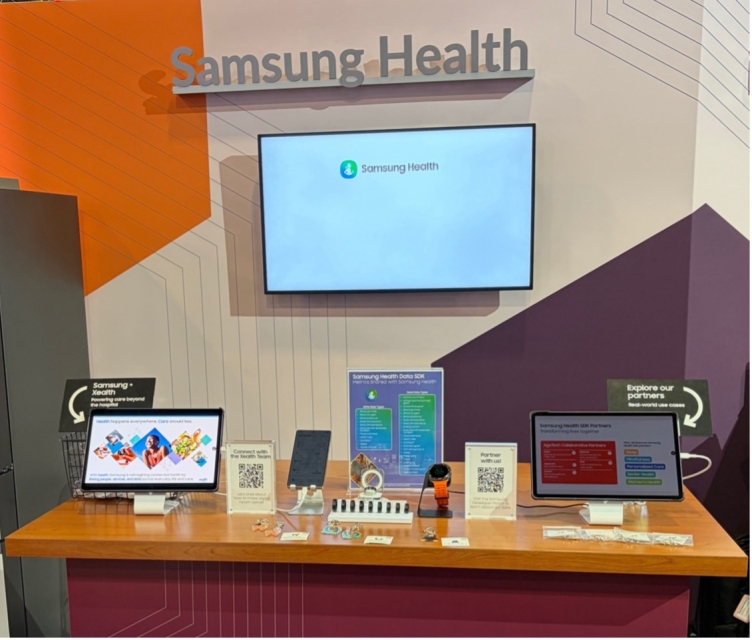
Tiger AI
There was only one booth with attendees exercising right in the exhibit hall, as it promoted attendees test its product with jumping jacks. Nestled in the busy (and bright pink) Busan Metropolitan City neighborhood of the exhibit floor, Tiger’s booth stood in the middle of the high-energy atmosphere. Featuring technology that, through your phone or tablet camera, measures 33 points on your body and runs activity workouts with live AI feedback, Tiger’s main product gamifies workouts through motion detection. Attendees could try it out: a full jumping jack, crunch, or curl added one to your “success count,” while a less-than-perfect version did not. Your posture was scored and critiqued, as the screen created a stick-figure version of you. Like having a live exercise trainer with you at home, Tiger’s technology adds to the digital health and wellness space as lifestyle technologies become even more popular. We imagine that this technology could be welcome in combination with other approaches to weight management. This reminded us of Phil Southerland and the quest to be in as great a shape as possible! He moves us all …
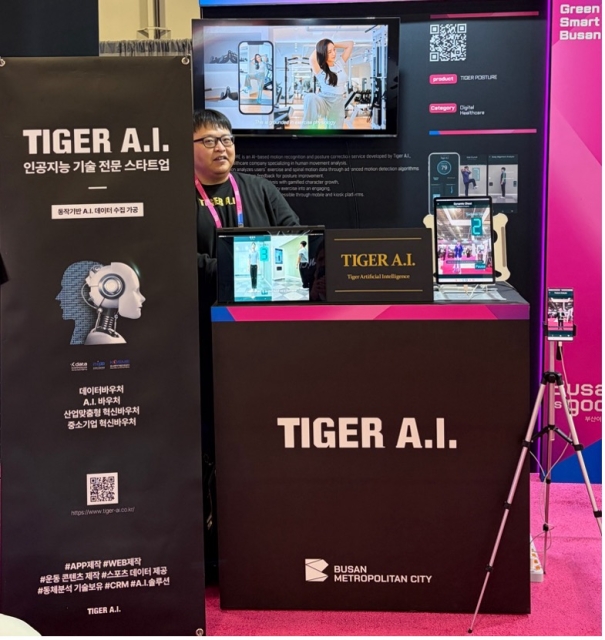
VeeOne Health
VeeOne’s small booth in the center of the exhibit floor presented the exciting product VeeGo 360, a remote patient monitoring (RPM) solution kit. The platform unites patients and healthcare providers continuously, moving from the “episodic” care of traditional patient monitoring to a “longitudinal” and “high-resolution” picture of a patient’s health. The kit asks health questions on a schedule, prompts actions such as blood pressure readings, offers a live chat, a daily health risk score reported to providers, and supports telehealth visits. Wearables integrated with the system monitor heart rate, temperature, and even data on coughing and gait. VeeOne is especially focused on those managing chronic diseases and provides an exciting, maximalist and comprehensive technology for RPM.
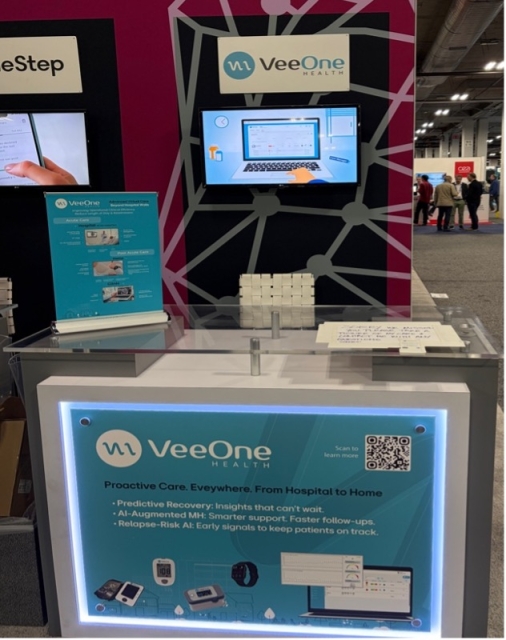
Withings
Withings was a centerpiece of the exhibit hall as it attracted large crowds to its sleek and beautiful booth. Attendees lined up for the chance to try its new Body Scan 2 product, slated to hit the market in the second half of this year. The Body Scan 2, a highly upgraded smart bathroom scale, measures 60 biomarkers and offers (in addition to precision weight, body composition data, and heart rate) new data like “heart age,” EKG, and even hypertension prediction. Those who stood on the Body Scan 2 were offered tailored health advice, such as an additional 3,000 step goal. The booth also provided a space to meet company representatives, who hope that the Body Scan 2’s data is useful for patients with diabetes who can monitor their health comprehensively and continuously at home, reduce in-person doctor and hospital visits, and share more comprehensive data with their healthcare providers. Earlier this week, Withings announced that it has partnered with Abbott to sell the over-the-counter CGM Lingo and to integrate CGM data with its broader healthcare platform. This expansion of availability with a focus on a broad range of users further promotes a popular, lifestyle-focused use of CGM that pairs well with Body Scan 2.
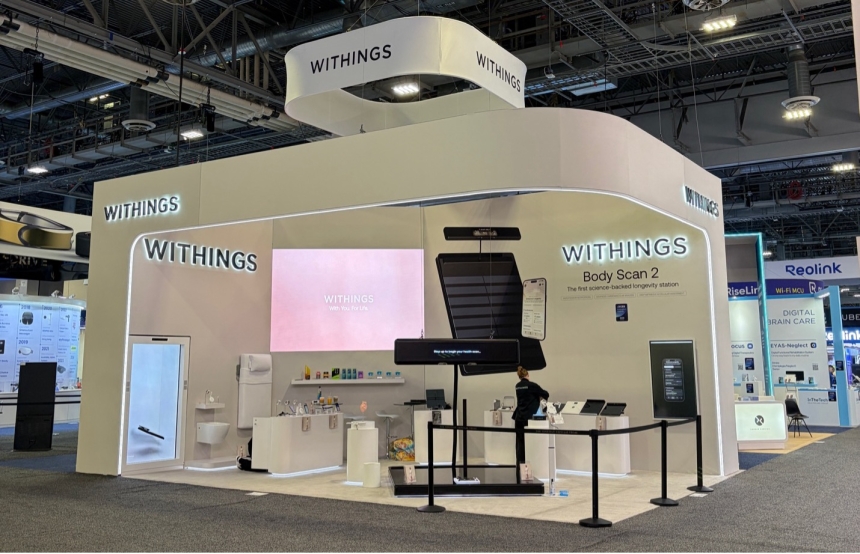
Yuwell
China-based Yuwell showcased its range of health technology, from respiratory health to chronic disease management, first aid, and smart wearables. A portion of its sprawling booth was dedicated to its blood glucose monitoring technology, BGM660. Interestingly, the booth did not include any material related to its 14-day real-time CGM CT-3, which offers customizable alerts. Beyond its diabetes technology, the Yuwell R3 Health Ring made its first-ever public appearance. The ring is made from titanium alloy and medical-grade resin and features an ultra-lightweight design. The ring enables the continuous monitoring of several vital signs, including sleep, heart rate, blood oxygen levels, and physical activity. It also offers AI-driven health insights and abnormal condition alerts with has a seven-day battery life under “regular use.”

-- by Jeremy Alkire, Nour Khachemoune, Kat Moon, Monica Oxenreiter, and Kelly Close