Sanofi 1Q26 – Strong insulin sales, esp basal Toujeo; FDA decision for stage 3 T1D for Tzield still expected in 1H26; FDA approval of Tzield for kids w/stage 2 T1D as young as one –
Executive Highlights
- Sanofi reported its 1Q26 results today in a call led by Interim CEO Mr. Olivier Charmeil, CFO Mr. Francois Roger, and Head of Research and Development, Mr. Houman Ashrafian. See the press release, webcast, presentation slides, infographic, and net sales charts.
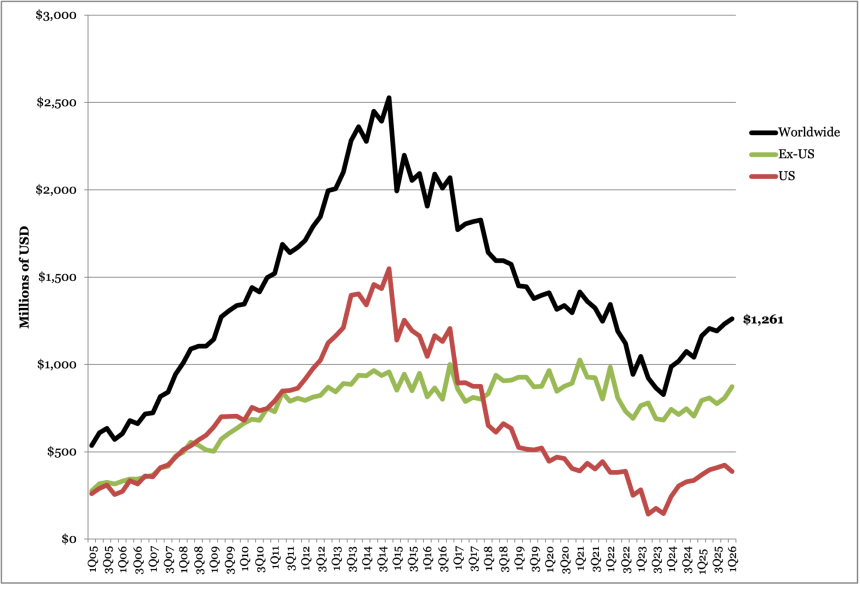
- The diabetes portfolio totaled $1.3 billion, flat from 1Q25 and up 5% sequentially. Sequential growth was largely driven by next-generation basal insulin Toujeo sales globally (+6%), with strong growth in both the US (+8%) and OUS markets (+6%). Management shared that Toujeo continued to experience strong volume growth and increased market share in the US – that was great news in our view as it’s an even more stable insulin than Lantus.
- US diabetes sales of $387 million fell 7% sequentially, while OUS diabetes revenue was $874 million, up 11% sequentially. We thought the latter was a particularly good sign given upside in penetration of basal insulin needed globally.
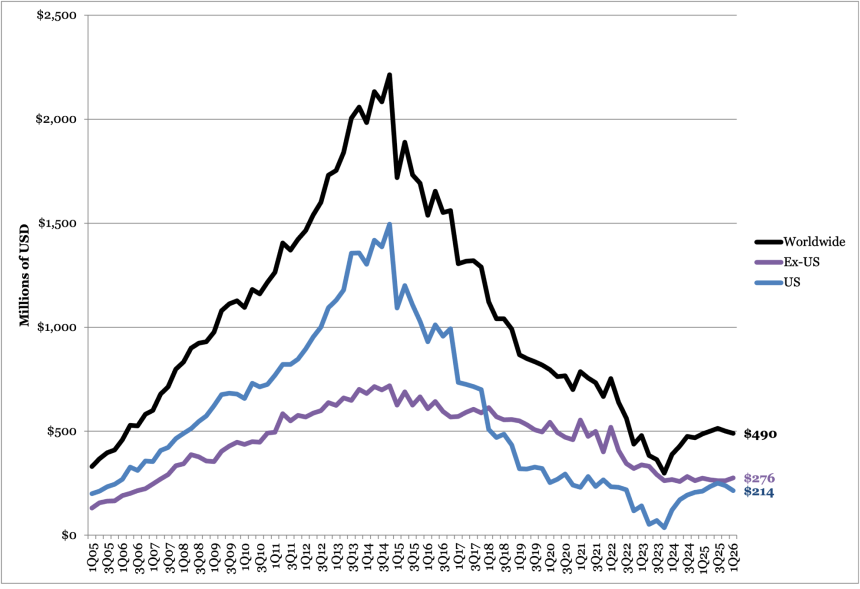
- The $35/month price cap for all US insulins, regardless of payor, went into effect nationwide in 2026. Basal insulin Lantus that Sanofi introduced globally 25+ years ago (in 2000), recorded revenue of $490 million in 1Q26, down 7% from 1Q25 and flat sequentially. US sales (+4% CER) increased by 4.1% from volume growth, partly offset by “gross-to-net” pricing movements. We were certainly glad to hear that volume rose. As in 4Q25, management attributed the growth to windfall sales from competitor unavailability (Novo Nordisk’s Levemir), which is expected to “partially subside” in 2026 – this was announced in late 2023 and the insulin is still missed by some key clinical stakeholders though it is increasingly hard to find and we imagine will be wholly discontinued by the end of 2026.
- Lantus sales in Europe and Rest of World fell by 4.3% largely due to growth in Toujeo sales.
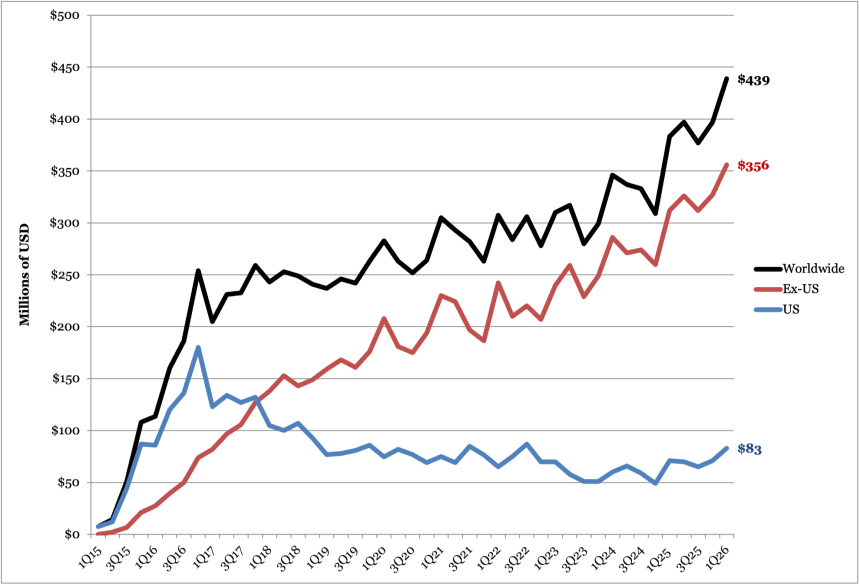
- Sales for Toujeo, the next-generation basal insulin, rose 6% year over year to $439 million, and was up 13% sequentially.
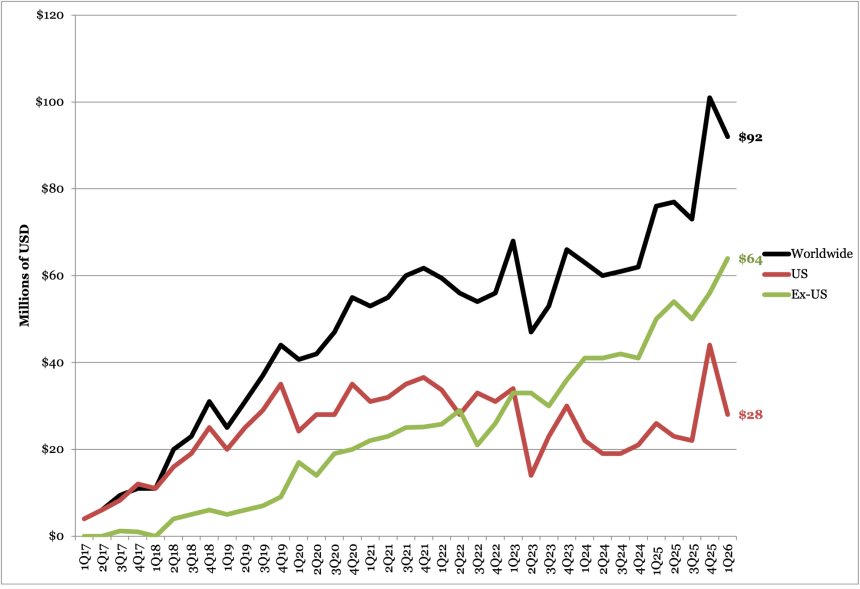
- Sales for Soliqua, fixed-ratio basal insulin/GLP-1 RA, totaled $92 million in 1Q26, up 13% from 1Q25 and down 6% sequentially.
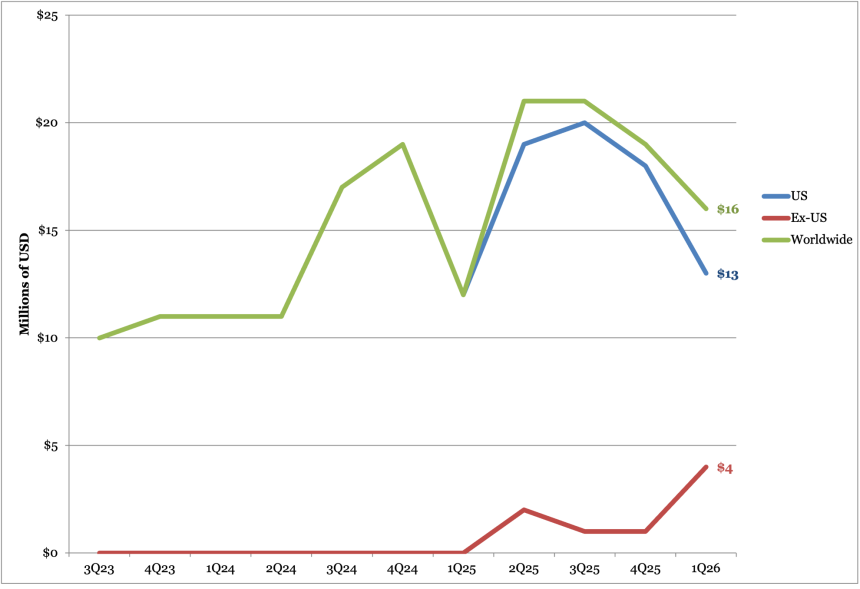
- Yesterday, Tzield received FDA approval for delayed onset of stage 3 T1D in children aged one year and above who have been diagnosed with stage 2 T1D. The review for an expanded indication of Tzield received priority review by the FDA in January 2026, based on positive results from the phase 4 PETITE-4 T1D study (n=20). Tzield (teplizumab), the first and only disease-modifying therapy for T1D, had quarterly revenue of $16 million ($13 million US), up 27% annually and down 13% sequentially. Since Sanofi began reporting sales in 3Q23, Tzield’s cumulative revenue is $175 million.
- Tzield is also under review for individuals recently diagnosed with stage 3 T1D aged eight years or older. Tzield previously received an expedited review through the CNPV pilot program in October 2025, supported by results from the phase 3 PROTECT study (n=328), which met its primary endpoint evaluating the preservation of beta cell function. Yet, in January 2026, the FDA announced that it had delayed its review of Tzield for stage 3 T1D. Sanofi’s press release from today states that a regulatory decision is still expected in 1H26.
- Led by European revenue (+28% CER), cardiovascular drug Praluent (PCSK9 inhibitor) totaled $176 million in 1Q26, up 29% from 1Q25 and up 14% sequentially. Given that Praluent is administered every two weeks, we are hopeful that the lower treatment frequency will encourage uptake and help address unmet needs in treating high cholesterol.
- We are very interested to watch the pipeline T1D “delay” and “prevention” therapies.
Table of Contents
- Pipeline Highlights
-
Financial Highlights
- 1. Overall diabetes portfolio totals $1.3 billion (flat, +5% Q/Q)
- 2. Toujeo revenue totals $439 million (+6%, +13% Q/Q)
- 3. Lantus revenue totals $490 million (-7%, flat Q/Q)
- 4. Soliqua revenue totals $92 million (+13%, -6% Q/Q)
- 5. Tzield sales total approximately $16 million globally (+27%, -13% Q/Q)
- Source: Sanofi (total global revenue reflects rounding error)
- 6. Praluent sales total $176 million (+18%, +14% Q/Q) in OUS
- Close Concerns’ Questions
1Q26 Financial Results for Sanofi’s Diabetes Products
| 1Q26 Revenue (USD Millions) | YOY Reported (CER) Growth | Sequential Growth | |
| Total Diabetes | $1,261 | flat (n/a) | +5% |
| Lantus | $490 | -7% (-1%) | flat |
| Toujeo | $439 | +6% (+11%) | +13% |
| Soliqua | $92 | +13% (+19%) | -6% |
| Tzield | $16 | +27% (+26) | -13% |
| Estimated Other Diabetes (Insuman, Amaryl, Apidra, and Admelog) | $149 | +2% (n/a) | +10% |
| Praluent (not included in Total Diabetes) | $439 | +18% (+18%) | +16% |
*Sanofi stopped reporting “Other Diabetes” revenue in 2022. Based on patterns observed in recent quarters, we estimated US “Other Diabetes” revenue as 15% of US revenue and 25% of OUS revenue for Lantus, Toujeo, and Soliqua. “Estimated Other Diabetes” is the sum of these US and OUS estimates.
Pipeline Highlights
1. Phase 2 trials continue to evaluate immunotherapies, brivekimig and frexalimab, for newly diagnosed T1D
Sanofi continues to assess multiple candidates for T1D disease modification. In February 2025, Sanofi launched the phase 2 T1D OBTAIN trial (n=84)of brivekimig, a dual inhibitor of TNF-α (proinflammatory cytokine) and OX40L (stimulator of T cells) in adults aged 18-35 (Part A) and children aged 12-21 (Part B) with recently diagnosed T1D on insulin therapy. The study will assess the safety and efficacy of brivekimig in preserving beta-cell function over the 52-week treatment period and the 26-week safety follow-up. Until 4Q25, the trial was continuing to enroll across 24 locations. As of today, the trial has stopped recruiting, with trial completion expected in April 2027 – an expedited timeline from September 2028.
- As an aside, brivekimig is also being evaluated for other autoimmune diseases, including Crohn’s disease, ulcerative colitis, and an inflammatory skin condition called hidradenitis suppurativa. Previously, in a phase 2a trial (n=86), brivekimig demonstrated a clinically meaningful improvement in abscess and inflammatory nodule counts, demonstrating potential for immune modulation.
Sanofi is also developing frexalimab, a CD40L-antagonist monoclonal antibody, in the phase 2 FABULINUS trial (n=192) in adolescents and adults aged 12-35 with newly diagnosed T1D on insulin therapy. The primary objective of the trial is to assess the safety and efficacy of preserving beta cell function and is expected to complete in October 2030. The trial is now recruiting patients across 80 locations.
- Frexalimab is also being evaluated for multiple sclerosis in phase 3 and systemic lupus erythematosus in phase 2. In a phase 2 trial for relapsing multiple sclerosis, frexalimab significantly reduced Gd+ T1 lesions, a key indicator of multiple sclerosis progression, without depleting lymphocytes, further supporting its potential as an efficacious disease-modifying therapy.
Financial Highlights
1. Overall diabetes portfolio totals $1.3 billion (flat, +5% Q/Q)
Sanofi Worldwide Financial Results
| Overall Diabetes | 1Q25 | 2Q25 | 3Q25 | 4Q25 | 1Q26 |
| Revenue – USD millions | $1,163 | $1,207 | $1,192 | $1,233 | $1,261 |
| YOY Reported Growth | +18% | +9% | +4% | +6% | flat |
| Sequential Reported Growth | +10% | -4% | -1% | +2% | +5% |
Sanofi Diabetes Portfolio 1Q26 Geographic Financial Results
| Diabetes | Revenue – USD Millions | YOY Reported Growth | Sequential Reported Growth |
| US | $387 | -3% | -7% |
| OUS | $874 | +2% | +11% |
Sanofi’s Total Diabetes Portfolio Sales (1Q05 – 1Q26)
2. Toujeo revenue totals $439 million (+6%, +13% Q/Q)
Toujeo Worldwide Financial Results
| Toujeo | 1Q25 | 2Q25 | 3Q25 | 4Q25 | 1Q26 |
| Revenue – USD millions | $383 | $397 | $377 | $397 | $439 |
| YOY Reported Growth (CER) | +10% (+10%) | 8% (+11%) | +6% (+6%) | +15% (19%) | +6% (11%) |
| Sequential Reported Growth | +22% | -5% | -5% | +4% | +13% |
Toujeo 1Q26 Geographic Financial Results
| Toujeo | Revenue – USD Millions | YOY Reported Growth | Sequential Reported Growth |
| US | $83 | +8% | +20% |
| OUS | $356 | +6% | flat |
Toujeo Sales (1Q15 – 1Q26)
3. Lantus revenue totals $490 million (-7%, flat Q/Q)
Lantus Worldwide Financial Results
| Lantus | 1Q25 | 2Q25 | 3Q25 | 4Q25 | 1Q26 |
| Revenue – USD millions | $487 | $500 | $514 | $501 | $490 |
| YOY Reported Growth (CER) | +25% (+24%) | +7% (+12%) | +2% (+7%) | -5% (+1%) | -7% (-1%) |
| Sequential Reported Growth | -3% | -5% | +3% | -4% | flat |
Lantus 1Q26 Geographic Financial Results
| Lantus | Revenue – USD millions | YOY Reported Growth | Sequential Reported Growth |
| US | $214 | -7% | -8% |
| OUS | $276 | -7% | +7% |
Lantus Sales (1Q05 – 1Q26)
Source: Sanofi quarterly reports in the Close Concerns Knowledgebase
4. Soliqua revenue totals $92 million (+13%, -6% Q/Q)
Despite the overwhelming success of semaglutide and other incretin-based therapies, we believe that many patients can benefit from Soliqua, a fixed-ratio basal insulin/GLP-1 RA. In clinical practice, combination therapy can help minimize side effects (e.g., weight gain) seen with insulin therapy, provide clinically robust improvements in A1c levels, help HCPs facilitate treatment intensification, and improve treatment adherence. At ATTD 2025, results from the phase 4 SOLI-SWITCH study (n=162), demonstrated that Soliqua reduced A1c by 1.2 percentage points from a mean baseline of 8.5% in 24 weeks of treatment. Moreover, 38% of participants achieved an A1c <7.0% and saw a median body weight reduction of 0.9 kg (2 lbs).
Soliqua Worldwide Financial Results
| Soliqua | 1Q25 | 2Q25 | 3Q25 | 4Q25 | 1Q26 |
| Revenue | $76 | $77 | $73 | $101 | $92 |
| YOY Reported Growth (CER) | +21% (+22%) | +18% (+20%) | +13% (+18%) | +45% (+52%) | +13% (+19%) |
| Sequential Reported Growth | -21% | -6% | -6% | +36% | -6% |
Soliqua 1Q26 Geographic Financial Results
| Soliqua | Revenue – USD millions | YOY Reported Growth | Sequential Reported Growth |
| US | $28 | flat | -35% |
| OUS | $64 | +20% | +17% |
Soliqua Sales (1Q17 – 1Q26)
Source: Sanofi quarterly reports in the Close Concerns Knowledgebase
5. Tzield sales total approximately $16 million globally (+27%, -13% Q/Q)
Sales of Tzield (teplizumab), the first and only disease-modifying therapy for T1D, totaled $16 million in 1Q26, up 27% from 1Q25 and down 13% sequentially. US revenue comprised the majority of sales, totaling $13 million, flat from 1Q25 and down 27% sequentially. OUS sales marked the fourth quarter of reporting, totaling $4 million, up 3x from 1Q25. Since Sanofi began reporting sales in 3Q23, Tzield’s cumulative revenue has totaled $175 million.
Just yesterday, Tzield received FDA approval to delay the onset of stage 3 T1D in children aged one year and above who have been diagnosed with stage 2 T1D. This approval expands Tzield’s initial indication from November 2022 to include delaying T1D in those aged eight years and older. The review for an expanded indication of Tzield received priority review by the FDA in January 2026, based on positive results from the phase 4 PETITE-4 T1D study (n=20).
- Tzield is also under review for individuals recently diagnosed with stage 3 T1D aged eight years or older. Tzield previously received an expedited review through the CNPV pilot program in October 2025, supported by results from the phase 3 PROTECT study (n=328), which met its primary endpoint evaluating the preservation of beta cell function. Specifically, 95% of participants who received Tzield treatment maintained peak C-peptide levels ≥0.2 pmol/mL, compared with 79% of those who received placebo. Yet, in January 2026, the FDA announced that it had delayed its review of Tzield for stage 3 T1D due to an investigation into whether the therapy was associated with a potential treatment-related death. As in 4Q25, Sanofi’s press release from today states that a regulatory decision is still expected in 1H26.
- Tzield is also approved in the EU (under the brand name Teizeild), the UK, China, Canada, Israel, Saudi Arabia, the UAE, Kuwait, and Brazil to delay the onset of stage 3 T1D in adults and pediatric patients eight years and older diagnosed with stage 2 T1D. The timeline for regulatory reviews of Tzield’s indication to delay stage 3 T1D as young as one year is unclear for regions outside the US.
In clinical trials, Sanofi launched a large phase 3 BETA PRESERVE trial (n=723) in August 2025 across the US and UK for Tzield in individuals ≤25 years with stage 3 T1D and on insulin therapy. The study is currently enrolling and will measure changes in glycemic levels and prandial insulin independence over 52 weeks with Tzield compared with placebo. The trial is expected to complete in December 2028.
- Tzield is also being evaluated in the phase 3 PROTECT Extension trial (n=188) for long-term safety and efficacy in people recently diagnosed with stage 3 T1D. The PROTECT Extension trial is expected to complete in November 2026.
Tzield Worldwide Financial Results
| Tzield | 1Q25 | 2Q25 | 3Q25 | 4Q25 | 1Q26 |
| Revenue – USD Millions | $12 | $21 | $21 | $19 | $16 |
| YOY Reported Growth (CER) | +10% (+10%) | +64% (+64%) | +20% (+27%) | -11% (flat) | +27% (+26%) |
| Sequential Reported Growth | -39% | +64% | flat | -11% | -13% |
Tzield 1Q26 Geographic Financial Results
| Tzield | Revenue – USD Millions | YOY Reported (CER) Growth | Sequential Reported Growth |
| US | $13 | flat | -27% |
| OUS | $4 | N/A | 200% |
Tzield Sales (3Q23 – 1Q26)
Source: Sanofi (total global revenue reflects rounding error)
6. Praluent sales total $176 million (+18%, +14% Q/Q) in OUS
Sanofi is responsible for marketing PCSK9 Praluent (alirocumab) in OUS markets, and Regeneron is responsible for US sales. We will be back with more on Praluent’s performance in the US with Regeneron’s 1Q26 update next Wednesday, April 29. Over the past years, OUS sales have accounted for 70% of total Praluent sales.
Praluent Worldwide Financial Results
| Praluent | 1Q25 | 2Q25 | 3Q25 | 4Q25 | 1Q26 |
| Revenue – USD millions | $141 | $161 | $149 | $158 | $176 |
| YOY Reported Growth (CER) | +7% (+7%) | +9% (+10%) | +1% (+2%) | +20% (+20%) | +18% (+18%) |
| Sequential Reported Growth | +18% | +5% | -7% | +4% | +14% |
Close Concerns’ Questions
- How many patients have been infused with Tzield to date? How will the expanded indication help increase Tzield’s uptake?
- What contributed to Praluent’s strong growth in OUS markets?
- How does Sanofi imagine brivekimig and frexalimab will fit into the landscape for T1D treatment?
-- by Esther Min, Terry Vance, Monica Oxenreiter, and Kelly Close