ADCES 2026 Day #1 Highlights –
Executive Highlights
- ADCES 2026 started off strong in Columbus, Ohio, with a powerful call for cultural humility and clinician well‑being. President Dr. Katherine O’Neal urged DCESs to pair clinical expertise with deeper cultural awareness, sharing personal stories to illustrate how implicit bias and cultural assumptions can undermine patient trust. She introduced practical frameworks – the “four Cs” of cultural sensitivity and humility – to guide respectful, individualized care.
- *NEW* On Thursday afternoon, before official Day #1 sessions began, we had the opportunity to attend Beta Bionics' Education Theater on its iLet Bionic Pancreas. During this engaging session, Dr. Diana Isaacs (Cleveland Clinic) and Dr. Natalie Bellini (University Hospitals) discussed real-world outcomes data following three years of the iLet's commercial availability. The real-world evidence reinforced the iLet's pivotal trial (n=440) outcomes, demonstrating the AID system's ability to significantly improve glycemic management and TIR without requiring traditional carbohydrate counting.
- In tech, CGM’s expanding reach was on display across non-insulin-treated T2D, metabolic health, insulin titration, and ketone monitoring. In a Dexcom education theater, Dr. Thomas Grace (Blanchard Valley Endocrinology & Diabetes Center, Findlay, Ohio) highlighted the CONNECT RCT, in which Dexcom G7 lowered A1c by 1.6% and increased TIR by ~five hours/day in adults with T2D not using insulin. Dr. Natalie Bellini (University Hospitals) explored Stelo’s evolving role in metabolic health, including using real-time feedback on food, activity, sleep, and stress to support behavior change, while Ms. Rachael Sood (The Diabetes Collective, Mandeville, LA) previewed Dexcom Smart Basal for G7 15 Day, which uses CGM data to support individualized basal insulin titration. We are so thrilled for people with diabetes who have the chance to use Dexcom Smart Basal for G7 15 Day to give them a chance to titrate optimally the right amount of insulin. Insulin dosing is so complicated and CGM can help so much! Separately, Ms. Christie Beatson (Barbara Davis Center, Aurora, CO) highlighted Abbott’s anticipated Libre Duo and Libre Duo 10 Day as an opportunity to shift ketone monitoring from episodic testing toward earlier ketosis detection and DKA intervention, where needed. Ms. Beatson stressed that DGK adoption will require clear ketone action plans, education, and access to backup supplies.
- In therapy, the spotlight was on both innovation and integration. Dr. Conan Tu (Optum Medical Care, Bethpage, NY) positioned once‑weekly basal insulins, Novo Nordisk’s Awiqli and Lilly’s efsitora alfa, as a meaningful evolution in reducing treatment burden, supported by phase 3 ONWARDS (Novo Nordisk) and QWINT (Lilly) data showing comparable glycemic efficacy to daily basal insulins but with fewer injections. At the same time, Dr. Kacy Aderhold (The University of Oklahoma) urged clinicians to remain alert for atypical diabetes presentations, emphasizing that correct classification can fundamentally change therapy, from early insulin titration in autoimmune diabetes to sulfonylureas in MODY or leptin replacement in lipodystrophy. Separately, Ms. Kathy Fincher and Ms. Casey Fiocchi (Prisma Health, Greenville, SC) highlighted the need to pair GLP‑1 RA therapy with nutrition and lifestyle support, noting risks of malnutrition and lean mass loss if appetite suppression is not managed.
- In “big picture” highlights, Dr. Whitney Casares delivered a compelling opening keynote on “burnout”, presenting her “Centered Life Blueprint” as a strategy to reclaim what she characterized as agency and to align daily decisions with long‑term priorities, reinforcing that clinician well‑being is foundational to patient care. This, of course, recalls much work by Dr. Lisa Rotenstein (UCSF) on this topic as well as the work of many others. Drs. Pamela Brandt and Abby Lennon (Inova Health System, Falls Church, VA) then outlined an interdisciplinary model for obesity and diabetes care, showing how team‑based approaches can simultaneously target weight, glycemia, and comorbidities while reducing so-called “clinical inertia”. Finally, Ms. Sood and Dr. Diana Isaacs (Cleveland Clinic) issued a call to action for DCESs to expand their presence on social media, counter misinformation, and meet patients where they increasingly seek information.
Table of Contents
-
Diabetes Technology
- 1. *NEW* Real-world data reinforces the iLet’s pivotal trial outcomes following three years of commercial availability
- 2. Dual glucose-ketone monitoring for earlier ketosis detection and DKA intervention
- 3. “A vicious cycle of dysglycemia:” Dr. Kartik Venkatesh on diabetes management during pregnancy
- 4. AID algorithms are not one-size-fits-all: Understanding the “brains” behind each system to improve troubleshooting and personalization
- 5. Optimizing Tandem’s Control-IQ+ for pregnancy: Practical pearls for achieving tighter glycemic goals required in pregnancy
- 6. From insight to action: Dexcom highlights CGM expansion across non-insulin T2D, metabolic health, and basal insulin titration
- 7. Concentrating insulin to patient need: Practical pearls to titrate injections and AID use
-
Diabetes Therapy
- 1. Weekly basal insulin could reduce treatment burden, but understanding the mechanism and function is critical to safe, individualized use
- 2. Decoding cardiovascular kidney metabolic (CKM) syndrome through three key signals: kidney, heart, and inflammation
- 3. Nutrition and lifestyle support can help maximize GLP-1 benefits while limiting malnutrition and lean mass loss
-
Big Picture
- 1. ADCES 2026 opens with focus on cultural humility and preventing provider burnout
- 2. Interdisciplinary obesity and diabetes care targets weight, glycemia, and comorbidities in parallel
- 3. From clinics to clicks: A call to action for increased DCES presence on social media
- 4. Immune checkpoint inhibitor-induced autoimmune diabetes highlights expanding role of CDCESs in oncology care
- 5. A community-based care model for diabetes self-management and education support
- 6. Atypical diabetes: Remaining alert for the “zebra” when disease presentation does not match typical T1D or T2D phenotypes
Diabetes Technology
1. *NEW* Real-world data reinforces the iLet’s pivotal trial outcomes following three years of commercial availability
During this engaging Thursday evening session, Dr. Diana Isaacs (Cleveland Clinic) and Dr. Natalie Bellini (University Hospitals) discussed real-world outcomes data for Beta Bionics’ iLet Bionic Pancreas. The iLet is an automated insulin delivery (AID) system that autonomously manages basal rates, correction doses, and meal boluses based on CGM data. The user only needs to enter their weight to initialize the iLet system. In May 2023, the iLet Bionic Pancreas received FDA approval for individuals six years and older with T1D. The approval was based on the pivotal trial (n=440) of the iLet in adults and children with T1D. Among those assigned to the iLet group, GMI decreased to 7.3% from a baseline A1c of 7.9%.
- Drs. Isaacs and Bellini reviewed the three main algorithms that the iLet relies on: (i) basal algorithm, which modulates every five minutes to determine basal insulin requirements; (ii) corrections algorithm, which responds when blood glucose is rising by automatically delivering additional insulin to bring glucose back toward the target; and (iii) meal announcement algorithm, which eliminates the need for insulin-to-carb ratios and carbohydrate counting, relying on the last seven meals for adjustments.
- The heart of the presentation was the real-world data analysis following three years of iLet’s commercial availability. In June 2026, Beta Bionics launched a public real-world data dashboard for its iLet system. Drs. Isaacs and Bellini praised the company’s evidence transparency, as the dashboard continuously displays glycemic outcomes from eligible iLet users without applying additional filtering criteria.
- Key outcomes from the three-year dataset (n=29,169 users) included baseline A1c, GMI, time <70 mg/dL, and <54 mg/dL. Over the three years, users’ iLet GMI was 7.3% compared to a baseline A1c of 8.9%. This represents a 1.6 percentage point reduction.
- For children, iLet GMI was 7.8% from a baseline A1c of 9.7% (1.9 percentage point reduction).
- For individuals previously on MDIs, iLet GMI was 7.3% from a baseline A1c of 9.3% (2 percentage point reduction).
- For individuals switching from another pump or AID system, iLet GMI was 7.3% from a baseline A1c of 8.3% (1 percentage point reduction).
- On meal announcements, the real-world data indicated that the iLet did not require frequent interactions to provide good results for GMI and Time <54 mg/dL. Regardless of engagement with the iLet, users generally saw the same improvement.
- Key outcomes from the three-year dataset (n=29,169 users) included baseline A1c, GMI, time <70 mg/dL, and <54 mg/dL. Over the three years, users’ iLet GMI was 7.3% compared to a baseline A1c of 8.9%. This represents a 1.6 percentage point reduction.

- On Time in Range (TIR), users saw an average TIR of 65% from a baseline of 40%. The 24.8 percentage point increase translates to over six extra hours spent in Range per day.

- DCESs play a vital role as trusted navigators as patients with T1D transition to the iLet. They can help set expectations, provide personal education, and align care goals with what matters most to the patient. In a publication, Dr. Irl Hirsch (University of Washington), Dr. Isaacs, Dr. Pablo Mora (North Texas Diabetes and Endocrinology), Dr. Steven Russell (Beta Bionics), et al., provided further clinical guidance for diabetes management with the iLet system.
2. Dual glucose-ketone monitoring for earlier ketosis detection and DKA intervention
Ms. Christie Beatson (Barbara Davis Center, Aurora, CO) provided a practical overview of ketone physiology and the emerging role of dual glucose-ketone (DGK) monitoring, highlighting how continuous access to ketone data could address persistent gaps in diabetic ketoacidosis (DKA) prevention. The topic clearly resonated with attendees, with visible agreement across the room as Ms. Beatson discussed how rarely ketones are monitored in practice despite their importance. One survey found that 32% of ~3,000 insulin pump users did not have ketone testing supplies at home, while another found that 64% of people with T1D did not test ketones. Current methods also create practical barriers, as urine strips provide semi-quantitative measurements of acetoacetate, while blood beta-hydroxybutyrate (BHB) testing requires a separate meter, fingersticks, and often costly strips. Against this backdrop, Ms. Beatson positioned Abbott’s anticipated Libre Duo and Libre Duo 10 Day, which simultaneously measure glucose and ketones every minute and received CE-Mark in May 2026, as an opportunity to move ketone management from episodic, reactive testing toward earlier recognition of ketosis.
- Importantly, Ms. Beatson stressed that better sensing must be accompanied by clearer instructions on what to do with the data. Ms. Beatson identified several opportunities for earlier intervention, including checking ketones, giving correction insulin by injection, and replacing the infusion set - reinforcing her advice for pump users, “when in doubt, change it out.” She encouraged DCES to establish written ketone action plans specifying when elevated ketones can be managed at home, when patients should call the clinic, and when emergency care is warranted, noting that existing guidance is often too vague and difficult for users to process in the moment. Proposed BHB thresholds ranged from <0.6 mmol/L as normal to ≥3.0 mmol/L as urgently high, though clinicians should also account for symptoms and individual circumstances.
- Attendee discussion during the Q&A further underscored real-world barriers, including expired supplies, lack of standing prescriptions, and difficulty obtaining insurance coverage for blood ketone testing before a patient experiences DKA. Ms. Beatson encouraged clinics to address these logistical gaps now, including ensuring access to ketone supplies and backup insulin where appropriate. Her broader message was that DGK could make ketone monitoring considerably easier, but preventing DKA will depend just as much on actionable education, access, and well-defined clinical protocols as on the sensor itself.
3. “A vicious cycle of dysglycemia:” Dr. Kartik Venkatesh on diabetes management during pregnancy
In an engaging morning session, Dr. Kartik Venkatesh (The Ohio State University) provided valuable clinical pearls for the treatment of diabetes during pregnancy. Dr. Venkatesh highlighted the rising frequency of gestational diabetes (GDM), T2D, and T1D – affecting anywhere from 2-5% of pregnant women, with a frequency above 10% in certain states.
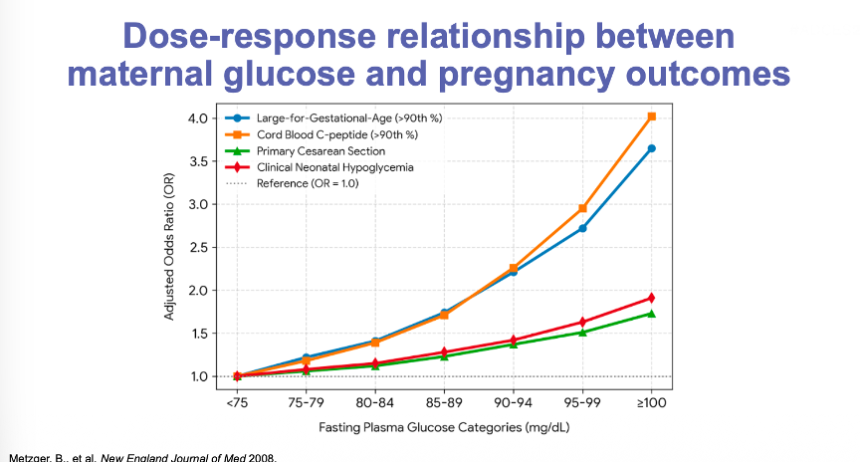
- Dr. Venkatesh emphasized the dose-response relationship between glucose and pregnancy outcomes, with higher fasting glucose associated with greater risk for large gestational age, hypoglycemia, and more (see below). He explained that maternal insulin resistance increases circulating glucose and fatty acids, which are transferred to the fetus through the placenta. This transfer increases risk for adverse pregnancy outcomes. Dr. Venkatesh highlighted that diabetes during pregnancy can create a “vicious cycle” where the child is also at higher risk for cardiometabolic complications. Thus, he emphasized the importance of identification, treatment, and management of glycemia during pregnancy for both the mother and child.
- Dr. Venkatesh concluded his talk with clinical pearls for management of GDM, T1D, and T2D during and after pregnancy. During pregnancy, he reviewed the recommended glycemic targets of ≤ 95 mg/dL fasting and prandial, ≤ 140 mg/dL 1-hour postprandial, and ≤ 120 mg/dL 2-hours postprandial. Interestingly, Dr. Venkatesh stated that while CGM should be offered to all individuals with T1D and considered for T2D, the current data is insufficient to recommend CGM for GDM. He also advised insulin as the first choice when lifestyle changes do not adequately manage maternal hyperglycemia, and metformin as a “valuable alternative.” Dr. Venkatesh closed by emphasizing the greater need for diabetes screening postpartum – a time when currently only 1 in 3 are tested for diabetes within one year postpartum.
4. AID algorithms are not one-size-fits-all: Understanding the “brains” behind each system to improve troubleshooting and personalization
Ms. Erin Henry (North Atlanta Endocrinology and Diabetes) provided a practical tour of today’s AID landscape. She emphasized that clinicians need to understand not just which pump a person uses, but how each system’s algorithm responds to changing insulin needs. Ms. Henry divided current systems into total daily dose (TDD)-based algorithms and adaptive basal algorithms. Across systems, she encouraged clinicians to look at TIR (time in range) and also to closely examine: (i) time spent in automation; (ii) basal/bolus distribution; (iii) bolus timing and frequency; (iv) total daily dose; (v) infusion-site changes; and (vi) patterns throughout daily pump downloads. We winced a bit when listening to this as it recalled the “beyond A1c” discussions of old – we agree, of course, about the importance of all these metrics. The infusion-site change was interesting to hear, of course, as it is less relevant for Insulet than traditional pumps.
- Different algorithms offer meaningfully different levers for personalization. Ms. Henry highlighted MiniMed 780G’s meal-detection system, 100 mg/dL glucose target, and temporary target capability; Omnipod 5’s exercise mode and customizable food library; and iLet’s simplified setup and elimination of traditional carbohydrate counting. Meanwhile, Tandem Control-IQ offers exercise and sleep modes, extended boluses, and temporary basal rates, while Sequel’s twiist pump can target glucose as low as 87 mg/dL and offers exercise settings, Apple Watch bolusing and carbohydrate absorption tools. She emphasized that understanding each system’s adjustable features and its limitations helps clinicians determine which settings to modify when reviewing an individual’s glucose and insulin patterns.
- For hypoglycemia, Ms. Henry stressed that AID systems already reduce or pause insulin delivery as glucose falls. Accordingly, traditional treatment approaches can sometimes lead to overtreatment and glucose “roller coasters” – that sounds very familiar to many of us! Fascinatingly, she proposed a “9 x 30” approach: consume nine grams of carbohydrate and wait 30 minutes when using CGM, rather than automatically applying the traditional Rule of 15.
- Exercise remains one of the most important, and often underestimated, challenges for people using AID, Ms. Henry emphasized – three cheers from us on this one! Ms. Henry noted that each system handles activity differently:
- MiniMed 780G allows a temporary glucose target to be scheduled for up to 24 hours, while Omnipod 5’s exercise mode can be set for up to 24 hours (that sounds like a long time!);
- iLet allows users to pause insulin;
- t:slim X2 exercise mode can be timed in 15-minute increments for up to eight hours or left on indefinitely;
- Mobi allows exercise mode to be toggled on and off; and
- twiist allows exercise settings for one hour, two hours, or until manually discontinued.
Rather than recommending a universal exercise strategy across pumps, Ms. Henry suggested matching recommendations to the capabilities of each algorithm to work toward successful exercise management.
- The growing use of incretin therapy alongside insulin pumps adds another layer of complexity (amidst opportunities, we would add!). As insulin requirements fall after initiation of GLP-1-based therapy, Ms. Henry suggested raising glucose targets or using exercise mode for TDD-based systems and lowering programmed basal rates for adaptive-basal systems. As incretin therapy becomes increasingly common among insulin-treated people with diabetes, this is an especially practical and timely consideration for clinicians.
- Pregnancy requires active AID management, particularly during the immediate postpartum period. Ms. Henry emphasized pre-bolusing during pregnancy and the importance of having rescue medications available. After delivery, when insulin requirements can fall dramatically, she recommended system-specific strategies, including resetting correction factors and insulin-to-carb ratios and raising glucose targets for MiniMed 780G and Omnipod 5. She also suggested allowing iLet to adapt, or resetting the system if necessary, maintaining a saved pre-pregnancy profile for t:slim X2, and reprogramming twiist with pre-pregnancy settings.
5. Optimizing Tandem’s Control-IQ+ for pregnancy: Practical pearls for achieving tighter glycemic goals required in pregnancy
In the center of ADCES’ bustling Exhibit Hall, Dr. Amy Rich (Tandem Diabetes) discussed how to optimize Tandem’s Control-IQ+ to achieve the tighter glycemic targets required during pregnancy. Dr. Rich introduced Control-IQ+ as the first and only FDA-approved AID system indicated for use during pregnancy in women with T1D in the US. The system’s April 2026 FDA approval was based on the CIRCUIT trial (n=88), a 14-site RCT comparing the t:slim X2 pump with Control-IQ+ versus standard care in pregnant women with T1D. Using the Time in Pregnancy Range (TIPR; 63-140 mg/dL) metric, participants randomized to Control-IQ+ achieved a statistically significant improvement to 65% compared with 50% in standard-care group. The ~15% improvement translated to about three additional hours per day spent in the recommended pregnancy glucose range. According to a CIRCUIT sub-analysis, participants using Control-IQ+ also achieved greater TIPR during key peripartum periods, including the 24 hours before childbirth (80% vs. 65%), one week postpartum (86% vs. 74%), and six weeks postpartum (83% vs. 66%) compared to standard care.
- Dr. Rich emphasized two key strategies for optimizing Control-IQ+ during pregnancy, noting that these adjustments may also benefit women preconception planning as they prepare for tighter pregnancy glucose targets.
- First, she recommended enabling Sleep Activity for continuous, 24/7 use, because it uses a more aggressive algorithm better aligned with pregnancy glycemic goals.
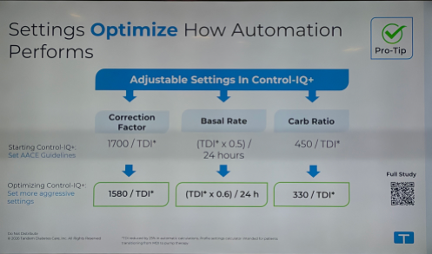
- Second, she highlighted the importance of proactively adjusting insulin settings throughout pregnancy to accommodate rapidly changing insulin requirements. Morning nausea, inconsistent meal timing, and progressive insulin resistance all contribute to substantial glycemic variability. Beginning around 20 weeks’ gestation, placental hormone production accelerates, often driving a sharp rise in insulin requirements. During this period, Dr. Rich suggested increasing basal rates by up to 20% every one to two weeks. Additional adjustable settings in Control-IQ+ include the correction factor and insulin-to-carbohydrate ratio.
- Excitingly, Dr. Rich briefly highlighted several broader Tandem innovations in the pipeline, which include the US launch of AutoSoft+ this fall. In 2Q26, Tandem announced the expansion of its infusion-set portfolio, with AutoSoft+ launching in Canada in July 2026. Alongside the US, AutoSoft+ launches in additional geographies are planned for later this year. Dr. Rich also highlighted Sugarmate, Tandem’s diabetes management app that uses CGM data to provide customizable alerts, real-time glycemic statistics, trend analysis, and activity and nutritional logging support. Tandem acquired Sugarmate in June 2020.
6. From insight to action: Dexcom highlights CGM expansion across non-insulin T2D, metabolic health, and basal insulin titration
In a well-attended Dexcom education theater, Dr. Thomas Grace (Blanchard Valley Endocrinology & Diabetes Center, Findlay, OH), Dr. Natalie Bellini (University Hospitals), and Ms. Rachael Sood (The Diabetes Collective, Mandeville, LA) explored how CGM can support increasingly individualized care across the diabetes spectrum, from non-insulin-treated T2D and metabolic health to basal insulin titration. The session centered on the CONNECT RCT trial results, the evolving Stelo platform, and Dexcom Smart Basal for G7 15 Day, illustrating Dexcom’s expanding focus on using CGM data to drive action across different stages of dysglycemia and diabetes care.
- Dr. Grace highlighted the CONNECT RCT as crucial randomized evidence supporting CGM use in adults with T2D not using insulin. Conducted across 22 primary care practices, CONNECT enrolled adults with T2D not using insulin and A1c ≥7.5% (n=283) and randomized participants to Dexcom G7 or routine care. A1c declined by 1.6% with CGM versus 0.7% with BGM over 26 weeks, while TIR increased by 33%, equivalent to roughly five hours/day. Among participants with newly diagnosed T2D, A1c fell by 2.4%, a finding Dr. Grace repeatedly returned to as evidence of the value of pairing glucose visibility with education early in disease. Notably, 97% of participants who had the opportunity to wear CGM wanted to continue. He connected these results to the evolving guideline landscape and suggested that randomized evidence such as CONNECT could further support broader coverage for CGM in non-insulin-treated T2D.
- Dr. Bellini shifted the discussion toward Stelo and the role of real-time feedback in metabolic health and behavior change. Notably she encouraged attendees to rethink prediabetes as an earlier stage of T2D, drawing a parallel to the staging framework now used in T1D. With one in three US adults having prediabetes, over 80% unaware of their condition, and ~70% projected to progress to T2D, Dr. Bellini suggested that framing dysglycemia in stages could encourage earlier and more proactive intervention. She stressed that lifestyle intervention remains first-line therapy across professional guidelines, but generic advice such as “eat better” or “exercise more” provides limited support between visits.
- Stelo can make relationships among food, activity, sleep, stress, and glucose immediately visible, helping users understand how different meals or behaviors affect glucose and adjust accordingly. Newer functionality includes food-photo logging with estimated macro- and micronutrients, tailored insights, and integration with platforms such as Apple Health and Oura. Dr. Bellini encouraged DCES to wear the technology themselves, highlighting that firsthand experience with alerts, food responses, and glucose variability can make patient education more practical and empathetic.
- Ms. Sood previewed Dexcom Smart Basal, a new G7 15 Day program designed to support basal insulin initiation and titration in adults with T2D. She described therapeutic inertia around insulin as a persistent challenge, driven by patient concerns about hypoglycemia, weight gain, stigma, and injections alongside clinician uncertainty about starting and adjusting doses. Through Dexcom Clarity, clinicians establish the starting and maximum doses and adjustment parameters, after which Smart Basal uses CGM data to provide individualized daily dosing guidance within those limits. Ms. Sood stressed that the feature is intended to support, not replace, clinicians while reducing the back-and-forth traditionally required for titration. Dr. Grace, whose clinic has early access, highlighted the algorithm’s focus on preventing hypoglycemia and daily reminders as potential tools to improve adherence and accelerate safe dose optimization.
7. Concentrating insulin to patient need: Practical pearls to titrate injections and AID use
In this practical Friday evening session, the University of Kentucky’s Dr. Kristina Naseman and Dr. Karolyn Duprey highlighted the utility of concentrated insulins. While patients with T2D typically need 0.5-0.8 units/kg/day, patients with severe insulin resistance can exceed 2 units/kg/day. However, large-volume U-100 insulin can introduce practical and clinical challenges, ranging from injection-site pain and insulin leakage to maximum bolus and basal-rate limits in pump use. Therefore, Drs. Naseman and Duprey discussed concentrated insulins – including U-200 rapid-acting, U-200 basal, U-700 basal, and U-500 regular insulins –to improve comfort, adherence, injection burden, and pump longevity in patients with high-dose needs.
- Clinicians should consider concentrated insulin when a patient: (i) uses more than 200 units/day; (ii) uses more than 3 units/kg/day; (iii) reaches pen maximums, commonly 60-80 units per injection; (iv) requires multiple injections for one basal or mealtime dose; or (v) is distressed by injection burden. In insulin pumps, Drs. Naseman and Duprey recommended using concentrated insulin when the patient: (i) uses more than 80-100 units/day; or (ii) repeatedly reaches a pump’s maximum bolus.
- On practical safety considerations, concentrated insulin pens do not require conversion between a prescribed and dialed dose; the patient receives fewer milliliters, rather than fewer insulin units. In contrast, concentrated insulin use in a pump requires deliberate conversion. Insulin pumps are programmed to assume U-100 insulin, necessitating clinician-specific safety checks and patient education. In the inpatient setting, U-500 insulin was flagged to be of particularly high risk in the hospital setting because of the historical use of vials, U-100 syringes, tuberculin syringes, U-500 syringes, and pens. These together create opportunities for severe dosing errors. While U-500 vials are no longer being manufactured, Drs. Naseman and Duprey still advocated for institutional safeguards, including: (i) restricting inpatient U-500 to the endocrinology team; (ii) dispensing patient-specific labeled pens; and (iii) triple barcode scanning of patient armband, insulin product, and patient-specific label.
- In AID, Drs. Naseman and Duprey offered several system-specific recommendations. For the iLet Bionic Pancreas, clinicians should reset the device and enter half the patient’s current weight when switching to U-200. In MiniMed 780G, clinicians should consider manual mode, a higher target, and longer active-insulin time temporarily if a reset is not possible. For Omnipod 5, clinicians should reset the controller, delete and reinstall the mobile app, and re-enter settings. Tandem Control-IQ cannot be reset, and therefore requires a U-200-specific profile to reduce daily insulin requirements by half. Finally, for Twiist, clinicians should adjust rates and use standard total-daily-dose or weight-based calculations.
Diabetes Therapy
1. Weekly basal insulin could reduce treatment burden, but understanding the mechanism and function is critical to safe, individualized use
In a compelling Friday afternoon session, Dr. Conan Tu (Optum Medical Care) discussed how the pharmacokinetic profiles of once-weekly insulins – including Novo Nordisk’s Awiqli (insulin icodec) and Lilly’s efsitora alfa – translates into improved diabetes management. Dr. Tu positioned once-weekly basal insulin as an important evolution from once-daily basal therapy with the potential to reduce injection burden and improve adherence. He emphasized that the two insulins achieve prolonged action through different mechanisms: efsitora alfa has a longer half-life (17 days) compared with Awiqli (eight days).
- Phase 3 data support notable efficacy glycemic management for Awiqli and efsitora alfa in insulin-naive T2D. Dr. Tu highlighted the phase 3 ONWARDS 1 study (n=984) and QWINT-2 study (n=928), which compared once-weekly insulin icodec with once-daily insulin glargine and once-weekly efsitora alfa with once-daily insulin degludec, respectively, in insulin-naïve T2D patients. Taken together, the studies demonstrated once-weekly basal insulin to be capable of improving glycemic management comparable to established once-daily basal insulins while reducing injection burden.
- Comparable glycemic efficacy is often accompanied by greater hypoglycemia risk in T1D. In the phase 3 ONWARDS 6 trial (n=588), insulin icodec conferred noninferior A1c reduction and similar TIR compared to insulin degludec. However, insulin icodec was also significantly associated with increased rates of hypoglycemia (1.8-1.9x higher compared to insulin degludec). Dr. Tu also noted better patient satisfaction with degludec. This trend was also seen in efsitora alfa, where the phase 3 QWINT-5 study (n=692) demonstrated noninferior A1c reduction and similar TIR to insulin degludec, but efsitora alfa was associated with ~1.2-1.4 times greater incidence of hypoglycemia.
2. Decoding cardiovascular kidney metabolic (CKM) syndrome through three key signals: kidney, heart, and inflammation
During this comprehensive session, Drs. Andrew Bzowyckyj (National Kidney Foundation) and Ruth-Alma Turkson-Ocran (The Ohio State University) presented on an integrated understanding of cardiovascular kidney metabolic (CKM) syndrome. CKM syndrome is a systemic condition that links obesity, diabetes, chronic kidney disease (CKD), and cardiovascular disease (CVD). Albuminuria, cardiac ejection fraction (EF) abnormalities, and systemic inflammation act as key indicators of CKM risk in people with diabetes. Throughout their presentation, Drs. Bzowyckyj and Turkson-Ocran offered clinical pearls for applying this integrated understanding to patient education.
- On the kidney, Dr. Bzowyckyj characterized albuminuria as a critical clue in diabetes-related kidney disease (DKD). Albuminuria acts early warning sign of DKD and is associated with an increased risk of CKD progression, heart failure, CVD, and all-cause mortality. Although a patient’s estimated glomerular filtration rate (eGFR) offers important insight into their kidney function, Dr. Bzowyckyj warned against using an eGFR-centric model which only flags levels <60 mL/min/1.73m². Instead, he advocated to supplement eGFR metrics with a urine albumin-to-creatinine ratio (uACR) test. When only looking for eGFR levels <60 mL/min/1.73m², Dr. Bzowyckyj noted that early-stage DKD often goes unnoticed. The inclusion of uACR levels often helped paint a clearer picture of CV mortality risk. We’d agree, though we’d also question whether the creators of this “Risk of Cardiovascular Mortality” might have been able to create a reference with a few more green boxes! We note that in particular, the only “really good” dark green box requires a uACR of <10, which is not a goal that people with diabetes typically sought by their clinicians. That said, we know that KDIGO is widely admired! We’d love to get a better understanding of where people with diabetes “land” on this chart and whether there are specific organizations that many more than usual patients “in green” – we imagine Bayer’s Kerendia makes a big difference!
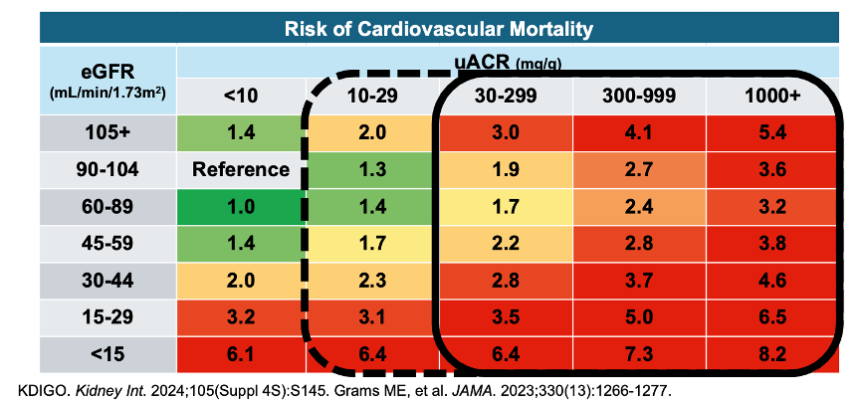
- Valuable clinical pearls included: (i) educating patients on albuminuria; (ii) reinforcing the importance of completing testing; and (iii) supporting lifestyle and therapy discussions to reduce albuminuria. On patient education, Dr. Bzowyckyj differentiated eGFR as assessing filter ability and capacity, whereas uACR determines filter integrity and quality.He recommended checking uACR at least once a year in PWD, as it is characterized as a modifiable CV risk magnifier.
- On the heart, Dr. Turkson-Ocran discussed EF and how to interpret cardiac function in CKM. She noted that individuals with T2D, obesity, CKD, and hypertension have substantially higher risk for developing HF. EF emerges as a useful metric that can reflect how well the heart is coping with the cumulative burden of CKM. In patients with diabetes and/or obesity, HF with preserved ejection fraction (HFpEF) is the most common HF phenotype, where the heart becomes stiff and blood pressure rises. This commonly presents as exertional dyspnea, exercise intolerance, and fluid retention.
- Clinical pearls included educating patients on recognizing symptoms that may require escalation. For many PWD, worsening HF initially appears as fatigue, weight changes, or reduced activity, instead of chest pain. Another teaching opportunity lies in pharmacotherapy management, as many therapies now support multiple CKM organs simultaneously. As an example, Dr. Turkson-Ocran mentioned SGLT-2 inhibitors and their benefit to patients’ glycemic indices, heart, and kidneys.
- On systemic inflammation, Dr. Bzowyckyj returned to discuss its role in diabetes. Multiple factors mediate the relationship between systemic chronic inflammation (SCI) and diabetes, such as insulin resistance, glucose fluctuations, diabetes distress, and social determinants of health (SDoH). The landmark piece on SDoH is, of course, “Social Determinants of Health and Diabetes: A Scientific Review” by the late Dr. Felicia Hills-Brigg (Northwell Health) and Dr. Debra Haire-Joshu (WashU Bursky School of Public Health).
- Dr. Bzowyckyj also mentioned that an emerging treatment target is high-sensitivity C-reactive protein (hsCRP), which is produced by the liver in response to systemic inflammation. He concluded by comparing inflammation to a small fire. In this sense, a small fire is harder to notice but still causes damage over time. Diabetes and inflammation feed off each other, as high blood sugar adds stress to the body and stress can make blood sugar harder to manage. However, small daily steps such as healthy eating habits and regular physical activity can dampen the flames and temper the vicious cycle.
3. Nutrition and lifestyle support can help maximize GLP-1 benefits while limiting malnutrition and lean mass loss
In this engaging session, Ms. Kathy Fincher (Prisma Health) and Ms. Casey Fiocchi (Prisma Health) emphasized that GLP-1 RA therapy is “not a silver bullet” and should complement, rather than replace, nutrition, physical activity, and behavioral support. While GLP-1 RAs offer substantial glycemic, weight, cardiovascular, and kidney benefits, their appetite-suppressing effects can introduce challenges including GI side effects, inadequate nutrient intake, and loss of lean mass. The speakers cited data suggesting that 20% of GLP-1 RA users developed nutrient deficiencies within 12 months, including vitamin D deficiency, anemia, and dehydration, while up to 25% of weight lost during treatment may be lean mass.
- Adequate protein, hydration, resistance training, and individualized nutrition counseling are necessary to support healthy and sustainable weight loss. Ms. Fincher and Ms. Fiocchi recommended 1.2-1.6 g/kg of ideal body weight in protein, prioritizing protein-containing foods when appetite is limited, and avoiding skipped meals in favor of small, nutrient-dense meals. Physical activity, particularly resistance training, may also help mitigate lean mass loss. However, the speakers noted that research specifically examining exercise during GLP-1 RA treatment remains limited.
- Speakers emphasized that GLP-1 RA goals must expand beyond weight loss to include managing side effects, preventing malnutrition, achieving glycemic goals, and reaching a tolerable dose. Ms. Fincher and Ms. Fiocchi highlighted an expanding role for diabetes care and education specialists in supporting these goals through medication titration, symptom management, nutrition and lifestyle counseling, and glucose interpretation.
Big Picture
1. ADCES 2026 opens with focus on cultural humility and preventing provider burnout
ADCES 2026 opened with a powerful call for attendees to pair clinical expertise with deeper cultural understanding and self-awareness. Entering the stage in a traditional Korean hanbok, ADCES President Dr. Katherine O'Neal used personal stories and live demonstrations to illustrate how cultural assumptions and implicit biases can shape patient care. She emphasized that every patient deserves the same respect regardless of their appearance, background, language, or beliefs, encouraging attendees to look beyond first impressions and approach each interaction with curiosity rather than judgment. She reflected on how her Korean aunt was advised to eliminate rice after a T2D diagnosis despite its central role in her culture, as well as the story of a Puerto Rican patient who stopped seeing her diabetes care and education specialist (DCES) after repeatedly being told to avoid traditional foods. Dr. O'Neal also candidly described recognizing her own implicit bias after incorrectly assuming a physician-patient already knew everything about diabetes and therefore did not need her support. She concluded by introducing two practical frameworks for attendees to apply in practice: the "four Cs" of cultural sensitivity – Call, Cause, Cope, and Concern – and the "four Cs" of cultural humility – Curiosity, Comfort, Clarity, and Confidence – to foster stronger patient-provider relationships, build trust, and improve outcomes.
- The opening keynote by Dr. Whitney Casares ("The Modern Mommy Doc") shifted the focus inward, addressing the growing burden of burnout among healthcare professionals and its implications for patient care. Drawing on her own experiences as a pediatrician and working mother, Dr. Casares shared how chronic overcommitment, perfectionism, and the pressure to "do it all" ultimately led to burnout, postpartum depression, and anxiety. Rather than offering a quick fix, she introduced her "Centered Life Blueprint," a practical framework centered on identifying core values, eliminating low-value commitments, setting healthy boundaries, and making intentional daily decisions that align with long-term priorities. Throughout the session, Dr. Casares emphasized that burnout is not simply an individual failing but a consequence of systemic pressures within healthcare, while encouraging clinicians to reclaim agency where they can. She concluded that protecting clinicians' well-being is not separate from delivering excellent care. It is foundational to sustaining empathy, strengthening patient relationships, and providing high-quality diabetes care over the long term.
2. Interdisciplinary obesity and diabetes care targets weight, glycemia, and comorbidities in parallel
Dr. Pamela Brandt (Inova Health System) and Dr. Abby Lennon (Inova Health System) outlined an interdisciplinary model for managing coexisting obesity and diabetes, emphasizing that treatment should extend beyond achieving glycemic targets to address weight and obesity-related complications simultaneously. Drawing on Inova’s obesity medicine program and three patient cases, Drs. Brandt and Lennon demonstrated how care teams can divide responsibilities to provide more frequent support than any one clinician could offer alone. The recurring theme was that reaching an A1c or weight target does not mark the end of treatment: obesity and diabetes are chronic diseases requiring continued reassessment as medications, comorbidities, access, and patients’ circumstances evolve.
- Dr. Brandt encouraged a “complication-centric” approach to obesity treatment, rather than relying on BMI or weight alone. She framed obesity and T2D as biologically intertwined diseases, describing how dysfunctional adipose tissue contributes to insulin resistance and accelerates beta-cell dysfunction. Reflecting newer obesity guidance, she stressed that BMI should serve only as an entry point and should be supplemented by measures such as waist circumference or body composition alongside an assessment of obesity-related complications. Even 5%-7% weight loss can meaningfully affect diabetes risk, while ≥10% may produce disease-modifying effects. Treatment intensity should similarly increase with obesity severity and complications, with pharmacotherapy selected where possible to address multiple conditions when possible. She referred to the 2025 AACE framework, which categorizes T2D among the severe obesity-related complications warranting intensified treatment.
- Dr. Brandt described Inova’s interdisciplinary pathway as a way to translate this framework into longitudinal care despite limited clinician availability. Following an initial medical evaluation, patients can receive nutrition education and individual dietitian and exercise visits, while pharmacists typically check in around three weeks after medication initiation to assess efficacy, tolerability, and titration. In 2025, the four-provider clinic saw over 5,000 new patients, with roughly half engaging with pharmacists and slightly fewer with dietitians. This division of responsibilities allows each discipline to address different components of care while creating more frequent opportunities to adjust treatment between physician visits.
- Dr. Lennon illustrated how this team-based approach can help avoid clinical inertia by continually optimizing therapy even after A1c reaches goal. Across three patient examples spanning T1D and T2D, she showed how CGM use, medication optimization, nutrition counseling, exercise physiology, and behavioral health needs can evolve over time. In one individual with T2D, the team continued modifying a weight-promoting regimen even after A1c reached goal, eventually discontinuing sulfonylurea and substantially reducing insulin while the patient lost over 100 lbs. (~32% of baseline weight). Another patient lost ~23% of baseline body weight while also reducing antihypertensive requirements and triglycerides. Ultimately, Dr. Lennon emphasized that the DCES can fill different gaps depending on the composition of the care team, spanning medication optimization, nutrition and exercise education, laboratory monitoring, and diabetes management. She suggested that clearly defining responsibilities can help reduce duplicated work and streamline care.
3. From clinics to clicks: A call to action for increased DCES presence on social media
During this engaging session, Ms. Rachael Sood (The Diabetes Collective) and Dr. Diana Isaacs (Cleveland Clinic) discussed the impact of social media on the evolving role of the DCES. Ms. Sood and Dr. Isaacs drew from their own experiences on social media, with both hosting or co-hosting diabetes-focused podcasts, including The Diabetes Diaries and Diabetes Dialogue, respectively. Across all age groups, a shift in trust is occurring – from credentials to relatability and from clinic to content. Today, a person is more likely to be influenced to make healthcare decisions from social media before they schedule an appointment. Therefore, the presence of expert perspectives in digital spaces is more important than ever. Throughout the presentation, Ms. Sood and Dr. Isaacs affirmed the power that scientific educators can have on social media. Both speakers announced a call to action for DCESs to start creating content and carrying influence through their lived experiences and credentials.
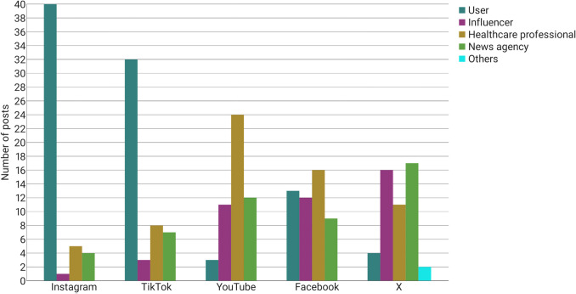
- Diabetes education is turning digital, shifting trust from the clinic to content on social media. During today’s presentation, Ms. Sood highlighted that now, social media is where a patient goes first before a visit. To characterize this impact on diabetes specifically, Ms. Sood stated that diabetes hashtags generate trillions of views annually. Unfortunately, this shift in trust has also fueled misinformation. One study evaluating the misrepresentation of semaglutide on social media found that creators of misleading posts often had insufficient medical knowledge. For example, Instagram and TikTok users, as opposed to healthcare professionals, dominated the number of semaglutide posts on the respective platforms. Misinformation and disinformation also translate into harm that can lead to delays in care, inappropriate treatments, and erosion of trust in healthcare. Therefore, Ms. Sood and Dr. Isaacs underscored the need for a DCES presence on social media to counter these harms.
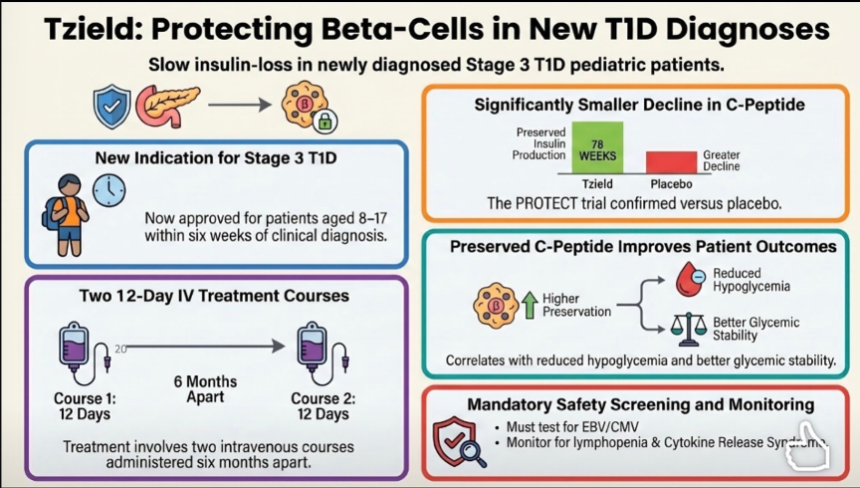
- Ms. Sood and Dr. Isaacs highlighted examples of impactful and responsible social media content. As Ms. Sood aptly put it, social media was a “game that [the DCES] needed to learn how to play.” One example was a LinkedIn post from Dr. Nuha Sayed, a diabetologist at Brigham and Women’s Hospital, which offered a digestible introduction to Tzield (see below). Dr. Isaacs pointed to the potential for content like this to translate complex clinical trial data into self-paced learning. Another example relayed the importance of storytelling, with Ms. Sood presenting her own Instagram carousel post that was inspired by an emotional experience with a patient. In the post, Ms. Sood recounted a situation where her patient nearly died from DKA because the hospital waited too long to administer insulin. This example highlighted how storytelling as an impactful way to reach patients on social media.
- Ms. Sood and Dr. Isaacs asserted that when the DCES remained absent from digital spaces, misinformation filled the void. This sobering call to action emphasized an important reality: patients are already online, and it is up to HCPs to meet them where they are. They likened the creation of an online connection to the same one being developed in the doctor’s office. Although taking place in different locations, both serve the same purpose: to build a trusting relationship between patients and HCPs to achieve health goals.
4. Immune checkpoint inhibitor-induced autoimmune diabetes highlights expanding role of CDCESs in oncology care
In this interesting session, Ms. Patricia Garnica (Northwell Health) discussed how as immune checkpoint inhibitors (ICIs) continue to transform cancer treatment, CDCESs are increasingly being called upon to recognize and manage a rare but potentially life-threatening complication: immune checkpoint inhibitor-induced autoimmune diabetes. She opened by explaining that ICIs have revolutionized cancer care by blocking immune checkpoint proteins, including CTLA-4, PD-1, and PD-L1, that normally suppress T-cell activity, thereby allowing the immune system to recognize and destroy tumor cells. While these therapies have substantially improved outcomes across numerous malignancies, including lung, melanoma, bladder, breast, renal, and colorectal cancers, they can also overstimulate the immune system and trigger immune-related adverse events, including autoimmune destruction of pancreatic beta cells.
- Ms. Garnica emphasized several key clinical features of immune checkpoint inhibitor-induced autoimmune diabetes. She emphasized that it is uncommon but serious, occurring in <1% of patients receiving ICIs, yet frequently presenting with severe hyperglycemia or DKA. The condition most commonly occurs with anti-PD-1 and anti-PD-L1 therapies, while cases have not been reported with CTLA-4 inhibitor monotherapy. Presentation is often abrupt, with patients developing polyuria, polydipsia, weight loss, marked hyperglycemia, low or undetectable C-peptide, and positive pancreatic autoantibodies. Because onset is rapid, A1c may be normal or only mildly elevated despite profound hyperglycemia.
- Ms. Garnica emphasized that CDCESs play a central role in recognizing symptoms, initiating diabetes education, coordinating multidisciplinary care, and supporting lifelong insulin management after diagnosis. Ms. Garnica illustrated these challenges through the case of a 77-year-old woman with lung cancer who developed DKA just four weeks after receiving her first dose of anti-PD-L1 immunotherapy despite having no prior history of diabetes. Laboratory evaluation revealed severe hyperglycemia (>700 mg/dL), low C-peptide, and positive GAD65 antibodies, consistent with new-onset autoimmune diabetes. Following stabilization with IV insulin, she transitioned to lifelong basal-bolus insulin therapy and received comprehensive diabetes education, including insulin administration, nutrition counseling, home health services, and endocrinology follow-up. The case underscored the need for close collaboration between oncology, endocrinology, and diabetes education teams, as well as individualized decisions regarding continuation of immunotherapy after diagnosis.
- Finally, Ms. Garnica reviewed the emerging evidence base supporting earlier recognition of this complication. She highlighted recommendations from the AACE to obtain a baseline A1c before initiating immune checkpoint inhibitors, monitor glucose throughout treatment, and promptly evaluate patients with new hyperglycemia for autoimmune diabetes. She also discussed the growing recognition of this entity in the 2025 ADA Standards of Care, noting that immune checkpoint inhibitor-induced autoimmune diabetes was included for the first time as a distinct cause of insulin-deficient diabetes. While she welcomed this addition, she emphasized that more detailed clinical guidance is still needed as immunotherapy use continues to expand across oncology.
5. A community-based care model for diabetes self-management and education support
In a well-attended morning session, Drs. Pauline Long (MedsPLUS Consulting) and Jennifer Campbell (MedsPLUS Consulting) shared insights from their two-year pilot of a community-based model of Diabetes Self-Management Education and Support (DSMES). In contrast to traditional DSMES models – which are clinic-centered, episodic, and referral-dependent – community-based DSMES is relationship-centered, accessible, continuous, and integrated into local communities. The MedsPLUS Community-Based Care Model for DSMES is a 10-week program that includes a preliminary biometrics screening, continuous blood glucose and pressure monitoring, and bi-monthly check-ins with a multi-disciplinary care team, including: (i) pharmacists; (ii) community health workers; and (iii) other diabetes care and education specialists.
- Drs. Long and Campbell cited relationship-building as integral to participant recruitment and engagement. When initiating the two-year pilot for their Community-Based DSMES program, Drs. Long and Campbell utilized pre-existing community partnerships and activations for recruitment, offering DSMES curriculum alongside community gatherings. On the patient side, they maintained a casual tone in clinician-patient relationships, ensuring hands-on and continuous support, and involving family members in diabetes care. Dr. Campbell commented that “once [patients] saw that we cared, they started answering the phone.”
- Remote program monitoring (RPM) of CGM and blood pressure cuff data ensured continuity of care, enabled the personalization of care plans, and fostered patient self-advocacy. At the initiation of the 10-week treatment program, each patient was provided with a BGM and blood pressure cuff, which allowed for real-time monitoring and care regimen customization. Access to this data helped patients become active partners in their diabetes.
- Drs. Long and Campbell also established community health workers (CHWs) as key agents in their workflow for continuous, connected care. In their eyes, CHWs bridge the gap between clinicians and communities by acting as cultural liaisons, offering social support, connecting with family members, and facilitating patient accountability. Looking ahead, Drs. Long and Campbell hope to build program capacity and sustainability by having CHWs play a larger role in delivering DSMES education.
6. Atypical diabetes: Remaining alert for the “zebra” when disease presentation does not match typical T1D or T2D phenotypes
In this sweeping Friday afternoon session, Dr. Kacy Aderhold (University of Oklahoma) discussed optimizing care for adults with atypical diabetes. Critically, she stressed that diabetes diagnoses should be re-examined when the phenotype, clinical course, treatment response, or family history does not fit conventional T1D or T2D.
- Dr. Aderhold noted that while clinicians are often taught to look for common diagnoses first, they should remain alert for the “zebras.” While diabetes care and education specialists do not have to become experts in every rare disease presentation, Dr. Aderhold stressed that they do need to recognize red flags, know when to escalate, and integrate care with their broader clinical team. To better determine diabetes classification, she recommended the AABBCC approach:
- Age under 35 at diagnosis raises concern for T1D or monogenic diabetes;
- Clinicians should ask about autoimmunity, including islet autoantibody positivity, family history of T1D, thyroid disease, celiac disease, vitiligo, or goiter;
- A BMI under 25 kg/m2 or loss of subcutaneous fat may be a critical sign of atypical diabetes;
- Assess diabetes control, asking patients whether their targets were ever attained without insulin, when insulin became necessary, whether C-peptide is low or declining, and whether the patient has experienced lifelong mild hyperglycemia;
- Consider comorbidities, including renal cysts, cardiovascular disease, hearing loss, glucosuria, immune-checkpoint inhibitor exposure, cancer treatment, and pancreatic disease.
- Next, Dr. Aderhold discussed practical approaches to treating atypical diabetes, including: (i) latent autoimmune diabetes in adults (LADA); (ii) immunotherapy- and transplant-related diabetes; (iii) pancreatogenic diabetes or type 3c diabetes; (iv) cystic fibrosis-related diabetes; (v) lipodystrophy-associated diabetes; and (vi) various phenotypes associated with maturity-onset diabetes of the young (MODY). Correct classification could fundamentally change therapy, from early insulin titration in autoimmune disease to low-dose sulfonylureas, pancreatic enzymes in type 3c diabetes, or leptin replacement in selected lipodystrophy. She urged her audience to not automatically accept an inherited diabetes label, and to reconsider it when disease presentation is discordant with a typical T1D or T2D phenotype.
--by Caroline Metz, Daniel Lee, Kayla Cao, Allison Platt, Carina Sun, Rachel Kim, Riya Chatterjee, Kayla Mathieu, Elizabeth Rose, Monica Oxenreiter, and Kelly Close